/filters:format(jpeg,png)/fit-in/300x300/guide_websites/3826/images/img_0114.png)
/filters:format(jpeg,png)/fit-in/237x80/guide_websites/3826/images/img_0114.png)
Flathead Catfish Fishing with Jamie on Marco
Marco Island By Boat Guided Trip in Marco Island
5.0

4 Reviews
- 5
 100%
100% - 4
 0%
0% - 30%
- 20%
- 10%
%2F%2Fusers%2F337ddd4c-5272-44c3-83ce-41b6f4d1c9cd%2Fimages%2Fgoodland-boat-park-fishing-techniques-11367.png&w=1920&q=75)
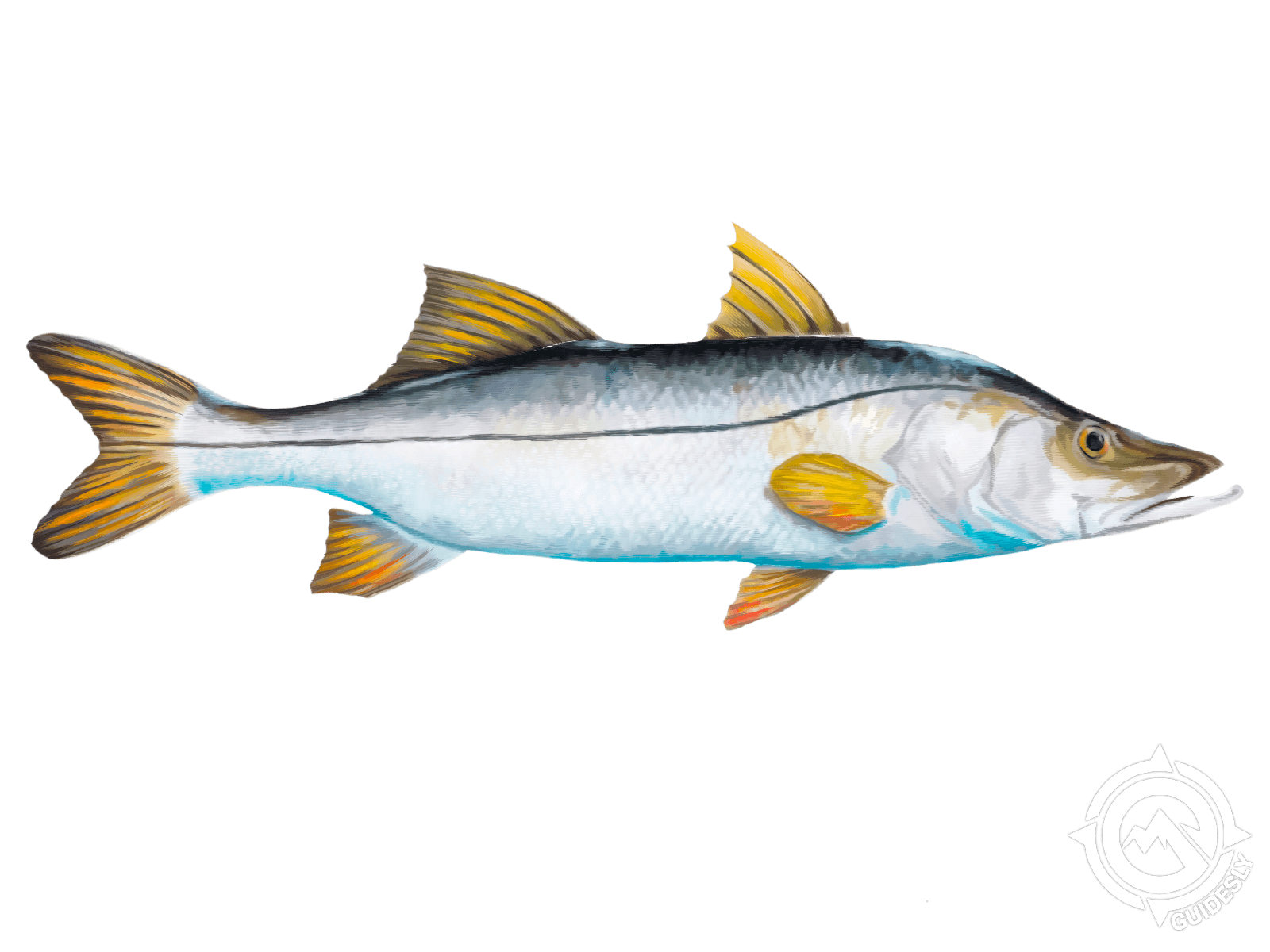
The Flathead Catfish (Pylodictis Olivaris) is a formidable freshwater predator found in rivers, lakes and backwater areas around Marco Island. These ambush hunters can grow impressively large, with specimens ranging from 12 to 61 inches in length and weighing between 4 and 60 pounds. - Primarily bottom-dwellers that prefer structure and cover - Known for their distinctive flat head and protruding lower jaw - Primarily nocturnal feeders with excellent sensory adaptations
Fishing Charter by Captain Jamie Cox in December
Meet your Captain Jamie Cox
- Marco Island Fishing: Your Ocean Escape - Book Now



Summary
Saturday June on the backwaters of Marco Island offers some of the best inshore fishing in Florida. Captain Jamie Cox of Marco Island By Boat knows these waters intimately, from the mangrove-lined channels to the productive flats of Rookery Bay National Estuarine Research Reserve. This guided fishing trip provides everything you need for a memorable day on the water—rods, reels, tackle, and expert instruction on techniques like drift fishing, bottom fishing, and sight casting. Whether you're chasing snook, redfish, or trout, these nutrient-rich backwaters provide the perfect environment for drag-screaming action. The trip launches from Goodland Boat Park, giving you quick access to some of Marco Island's most productive fishing grounds where the bite is consistent year-round. Perfect for families and anglers of all skill levels, this inshore trip combines the tranquility of Marco Island's backwaters with the thrill of Florida's legendary fishery.
Fishing Charter with Jamie Cox – Rates & Booking
Captain Jamie Cox of Marco Island By Boat offers Saturday June guided fishing trips that provide everything needed for a successful day on Marco Island's productive backwaters. His "Fishing Charters Marco Island | Inshore Fishing Trip" accommodates up to 4 guests, making it perfect for small groups and families looking to experience the thrill of Florida's inshore fishing. All necessary fishing equipment is provided, including quality rods, reels, tackle, and live bait when conditions call for it.
Captain Jamie specializes in light-tackle techniques that work well in the mangroves, oyster beds, and hidden creeks around Marco Island. Whether you're an experienced angler or it's your first time holding a fishing rod, he'll provide patient instruction tailored to your skill level. Morning trips take advantage of the crisp air and moving tides when fish are most active, while afternoon trips offer golden light and rising water as fish emerge from the shadows.
Highlights of Fishing Charters Marco Island | Inshore Fishing Trip
This inshore fishing adventure takes you through the calm, protected waters of Marco Island's backwaters, where you'll fish productive areas that don't show up on maps. Captain Jamie's local knowledge ensures you'll visit the best spots based on tides, weather, and seasonal patterns. The trip focuses on light-tackle action using a variety of techniques including drift fishing, bottom fishing, and sight casting when conditions allow.
The Rookery Bay National Estuarine Research Reserve offers a stunning natural backdrop for your fishing adventure. Even on challenging fishing days, the natural beauty of the mangroves and abundant wildlife make for a memorable experience. This trip is especially well-suited for families and beginners, though seasoned anglers will appreciate Captain Jamie's expertise in finding quality fish in these productive waters.
Local Tips & Conditions
Marco Island's backwaters provide consistent fishing opportunities throughout the year, though seasonal patterns affect which species are most active. Summer months often feature hot bites for snook and redfish as they move through the mangrove systems. Weather can change quickly in this part of Florida, with afternoon thunderstorms common during summer months, so morning trips often provide the most reliable conditions.
The protected waters of the backwaters make this trip comfortable even when winds kick up offshore. Captain Jamie monitors weather patterns closely and will help you choose the best time for your trip. Water clarity varies based on tides and recent weather, with clearer water typically offering better sight fishing opportunities. The Goodland Boat Park launch provides quick access to productive areas, minimizing travel time and maximizing fishing time.
Plan Your Fishing Charter Day
Your trip includes a well-equipped boat designed specifically for navigating the shallow backwaters around Marco Island. All fishing gear is provided—quality rods, reels, tackle, and bait—though you're welcome to bring your favorite equipment if you prefer. Captain Jamie recommends bringing sunscreen, polarized sunglasses, a hat, water, and snacks for your comfort during the trip.
Dress in layers and wear non-marking, non-slip shoes appropriate for a boat deck. A light rain jacket is always good to have on hand given Florida's changeable weather. Remember to bring a camera or smartphone to document your catches, and consider bringing a small cooler with ice if you plan to keep any legal fish for dinner. Captain Jamie practices sustainable fishing and encourages catch-and-release for most species to preserve the fishery for future generations.
Fishing in Marco Island: Flathead Catfish
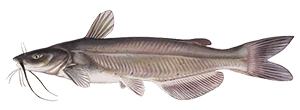
The Flathead Catfish (Pylodictis olivaris), a member of the Ictaluridae family in the order Siluriformes, is one of North America's most distinctive freshwater predators. With its characteristic flat head, mottled yellow-brown coloration, and protruding lower jaw, this species is unmistakable among Marco Island's freshwater systems, particularly during the summer months when they become more active in the warmer waters.
Flathead Catfish Overview
Often called Yellow Cat, Mud Cat, or Shovelhead Cat, the Flathead Catfish is a large, predatory species that differs from other catfish in both appearance and behavior. Unlike many catfish that scavenge, flatheads are almost exclusively predatory, preferring live prey over dead bait. Their reputation among anglers stems from both their fighting ability and their potential for reaching impressive sizes.
Flathead Catfish Habitat and Distribution
Flatheads thrive in rivers, lakes, and backwater areas with plenty of structure such as fallen trees, deep holes, and undercut banks. Around Marco Island, they can be found in the freshwater portions of river systems that feed into the Gulf. They prefer areas with moderate to slow current, particularly deep pools with woody debris that provide both cover and ambush points for hunting.
Flathead Catfish Size and Weight
These impressive fish typically range from 12 to 61 inches in length and can weigh anywhere from 4 to 60 pounds. Trophy specimens exceeding 50 pounds are caught occasionally, making them a bucket-list fish for many freshwater anglers. Their growth rate is relatively slow but steady throughout their long lifespan.
Flathead Catfish Diet and Behavior
Unlike channel catfish and blue catfish that readily consume dead bait, flatheads are almost exclusively live-prey hunters. They feed primarily on other fish, crayfish, and large aquatic insects. They're predominantly nocturnal, becoming most active during evening and nighttime hours. During daylight, they typically rest in deep holes or under structure, emerging to hunt as light levels decrease.
Flathead Catfish Spawning Season
Spawning typically occurs in late spring through early summer when water temperatures reach the mid-70s Fahrenheit. Male flatheads create and guard nests in dark, secluded areas such as undercut banks or cavities around submerged logs. After eggs hatch, males continue to guard the young for several weeks, making this time particularly challenging for targeting adult flatheads.
Flathead Catfish Fishing Techniques
Success with flatheads comes down to three key factors: location, bait, and patience. Target deep holes adjacent to structure, particularly during daytime hours. Live bait is essential—live bluegill, bullheads, or large minnows are top choices. Heavy tackle is necessary as these fish can make powerful runs. In June around Marco Island, focus on deeper holes in rivers during daytime hours, then transition to areas near structure as evening approaches. Night fishing is particularly productive during summer months.
Flathead Catfish Is It Good to Eat?
Many anglers consider flathead catfish to be among the best-tasting freshwater fish. Their firm, white flesh has a clean, mild flavor without the muddy taste sometimes associated with other catfish species. This is largely because of their predatory diet of live fish rather than scavenging. They're excellent when prepared fried, blackened, or grilled, and provide a good source of protein with moderate fat content.
Flathead Catfish Frequently Asked Questions
Q: What is the best bait for Flathead Catfish?
A: Live bait is essential for flatheads. Live bluegill, bullheads, and large minnows work best. Unlike other catfish, flatheads rarely take cut bait or artificial lures.
Q: Where can I find Flathead Catfish near Marco Island?
A: Look for them in the freshwater sections of rivers and streams that feed into the Marco Island area. Focus on deep holes with adjacent structure like fallen trees, undercut banks, and rock piles.
Q: Is Flathead Catfish good to eat?
A: Yes, flathead catfish are considered excellent table fare. Their firm, white meat has a clean taste without the muddiness sometimes found in other catfish species. This is due to their diet of live prey rather than bottom-feeding.
Q: When is the best time to catch Flathead Catfish?
A: Night fishing is most productive, especially during summer months. In June around Marco Island, the evening hours from sunset until about midnight are typically best. Flatheads become more active as light levels decrease.
Q: How big do Flathead Catfish get in Florida waters?
A: While they can grow to over 60 pounds, most flatheads caught in Florida waters range from 5 to 30 pounds. The state record exceeds 50 pounds, showing their potential for impressive growth in suitable habitat.
Q: What tackle should I use for Flathead Catfish?
A: Medium-heavy to heavy action rods, strong reels with smooth drags, and 20-40 pound test line are recommended. Circle hooks in sizes 5/0 to 8/0 work well, rigged with enough weight to hold your bait in position against current.