/filters:format(jpeg,png)/fit-in/300x300/guide_websites/3826/images/img_0114.png)
/filters:format(jpeg,png)/fit-in/237x80/guide_websites/3826/images/img_0114.png)
//users/337ddd4c-5272-44c3-83ce-41b6f4d1c9cd/ratecard/img_2181.jpeg)
%2Ffit-in%2F300x300%2Fusers%2F337ddd4c-5272-44c3-83ce-41b6f4d1c9cd%2Fratecard%2Fimg_2181.jpeg&w=256&q=75)
%2F300x300%2Fusers%2F6f3a22d9-7872-4122-b890-abaabaf4346f%2Fimages%2Fflorida-mangrove-fishing-boat-calm-12303.png&w=256&q=75)
%2F300x300%2Fusers%2F6f3a22d9-7872-4122-b890-abaabaf4346f%2Fimages%2Ffishing-boat-steering-wheel-controls-11727.png&w=256&q=75)
%2F300x300%2Fusers%2F6f3a22d9-7872-4122-b890-abaabaf4346f%2Fimages%2Ffishing-boat-motor-florida-deck-8731.png&w=256&q=75)
%2F300x300%2Fusers%2F6f3a22d9-7872-4122-b890-abaabaf4346f%2Fimages%2Fbeach-fishing-marco-island-florida-12062.png&w=256&q=75)
%2F300x300%2Fusers%2F6f3a22d9-7872-4122-b890-abaabaf4346f%2Fimages%2Fmarco-island-sunset-fishing-boat-10366.png&w=256&q=75)
%2F300x300%2Fusers%2F6f3a22d9-7872-4122-b890-abaabaf4346f%2Fimages%2Fmarco-island-marina-restaurant-dining-8448.png&w=256&q=75)
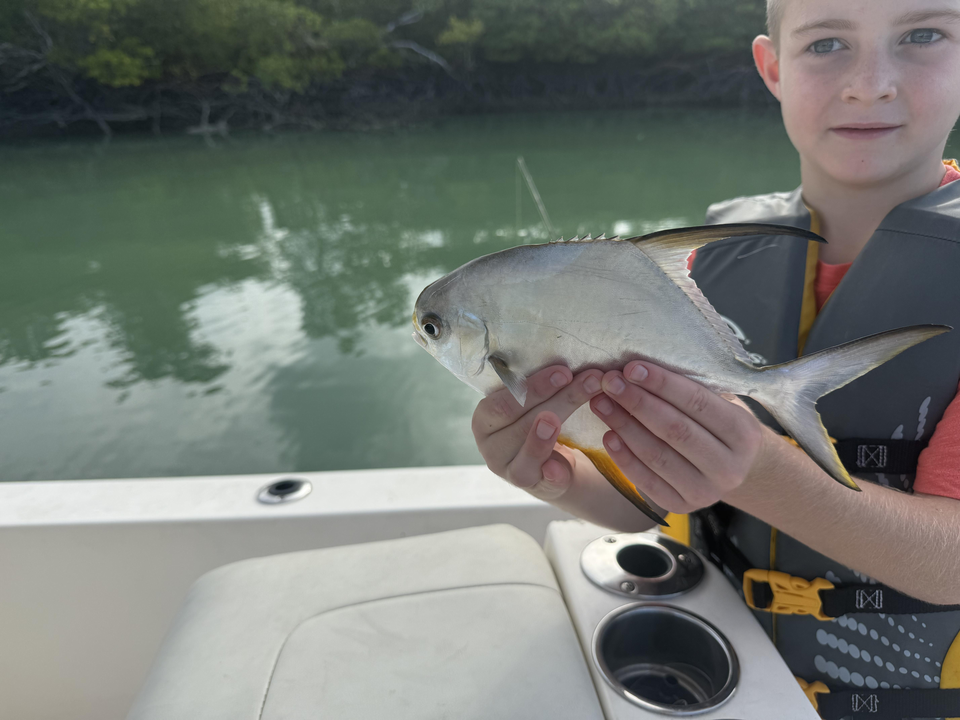
%2F300x300%2Fusers%2F6f3a22d9-7872-4122-b890-abaabaf4346f%2Fimages%2Fgreat-pompano-marco-island-catch-5284.png&w=256&q=75)
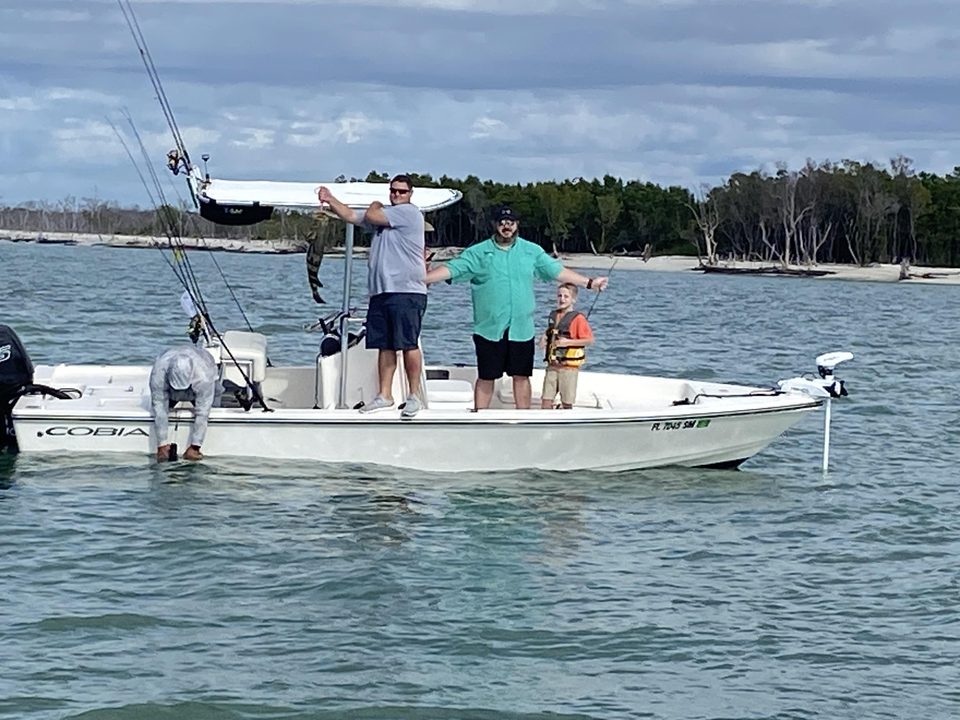
%2F300x300%2Fusers%2F6f3a22d9-7872-4122-b890-abaabaf4346f%2Fimages%2Ffishing-boat-marco-island-waters-3715.png&w=256&q=75)
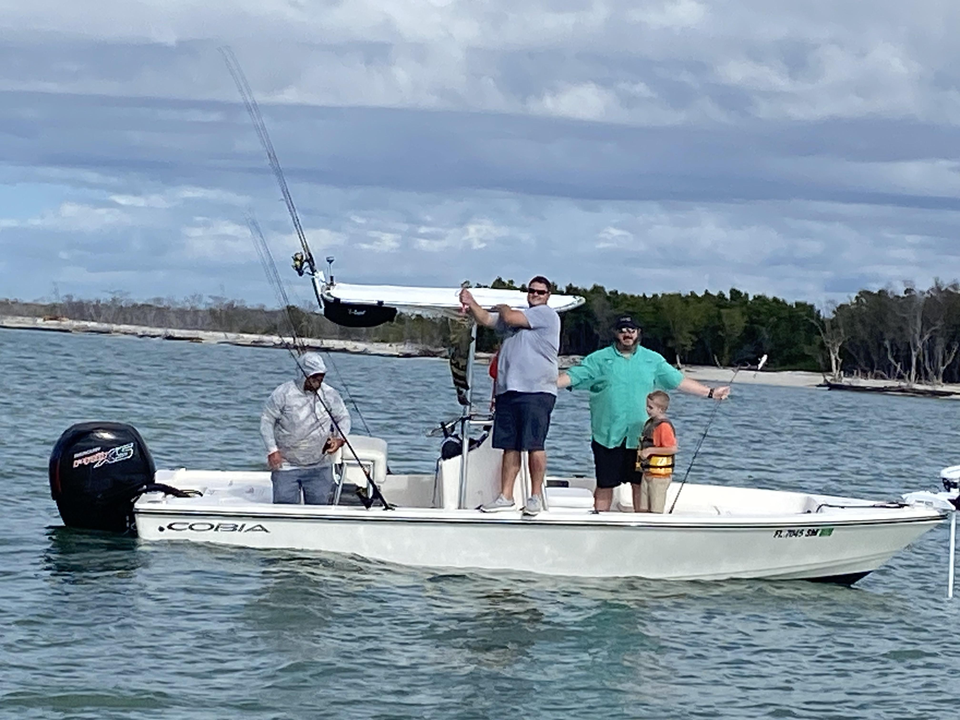
%2F300x300%2Fusers%2F6f3a22d9-7872-4122-b890-abaabaf4346f%2Fimages%2Ffishing-boat-marco-island-waters-3391.png&w=256&q=75)
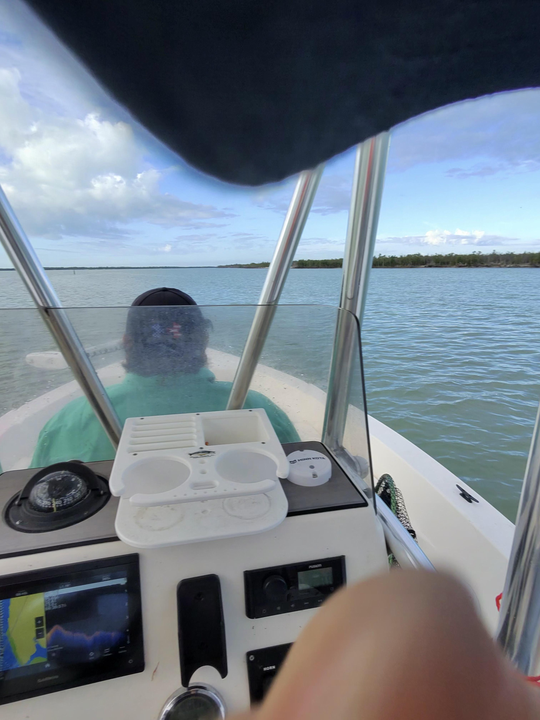
%2F300x300%2Fusers%2F6f3a22d9-7872-4122-b890-abaabaf4346f%2Fimages%2Ffishing-boat-dashboard-marco-island-12678.png&w=256&q=75)
Private Inshore Fishing Marco Island
 Marco Island
What you will be catching:
 Florida Pompano
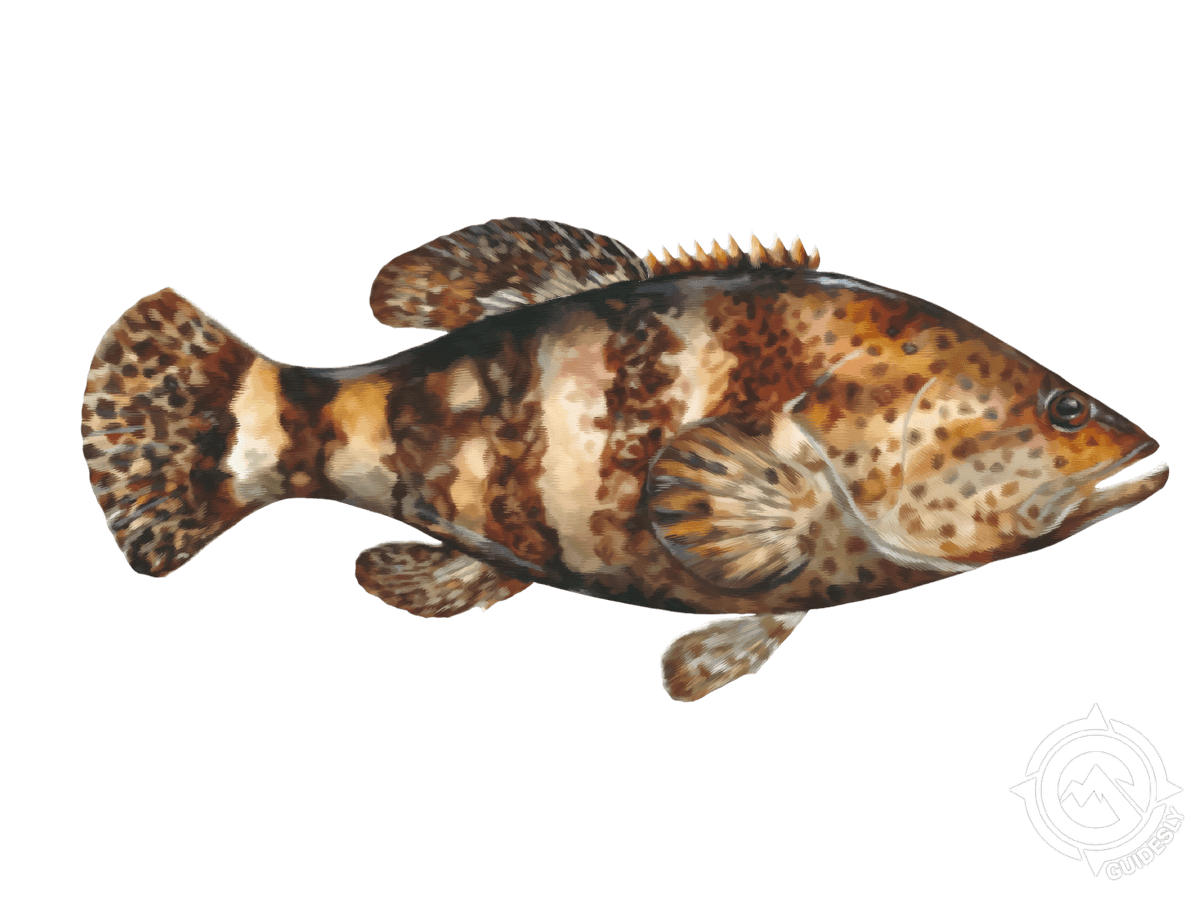
 Goliath Grouper
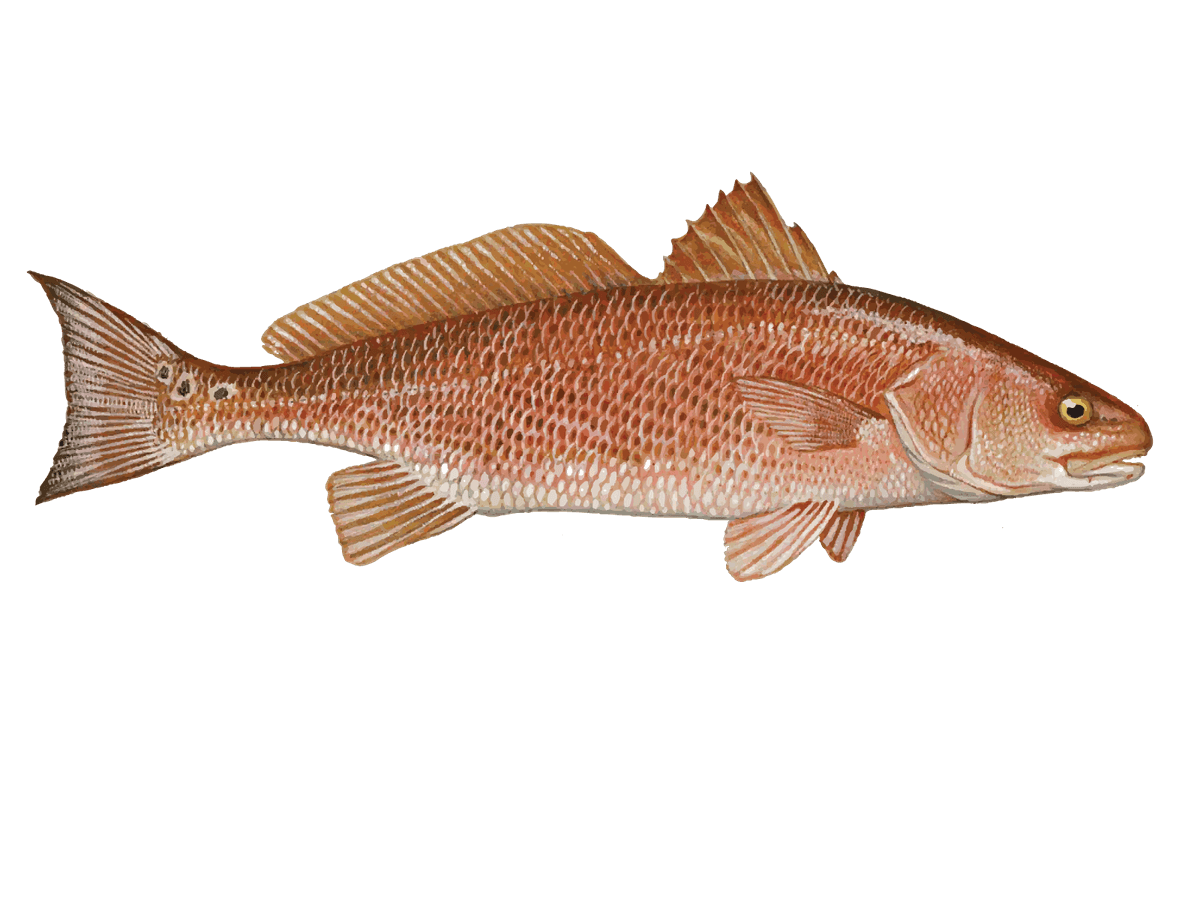
 Redfish
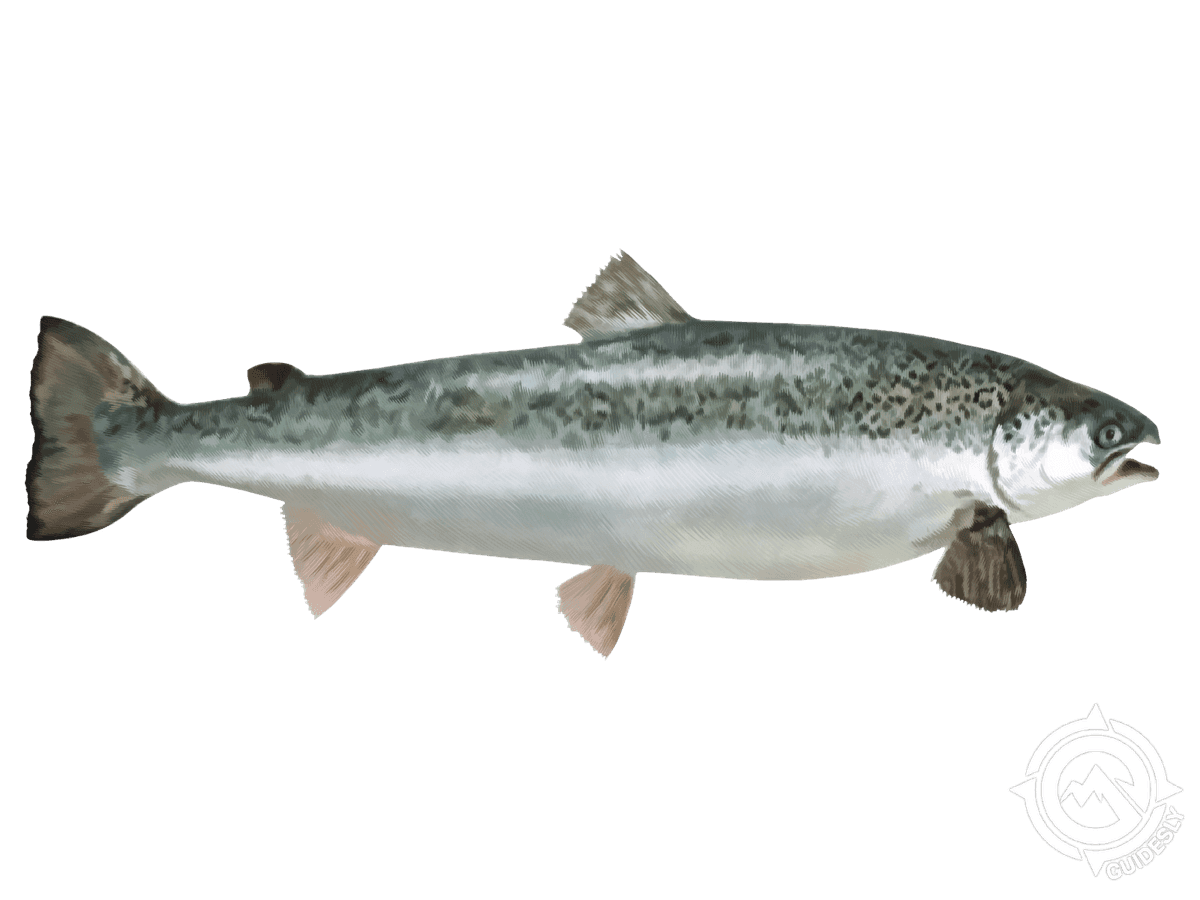
 Sea Trout
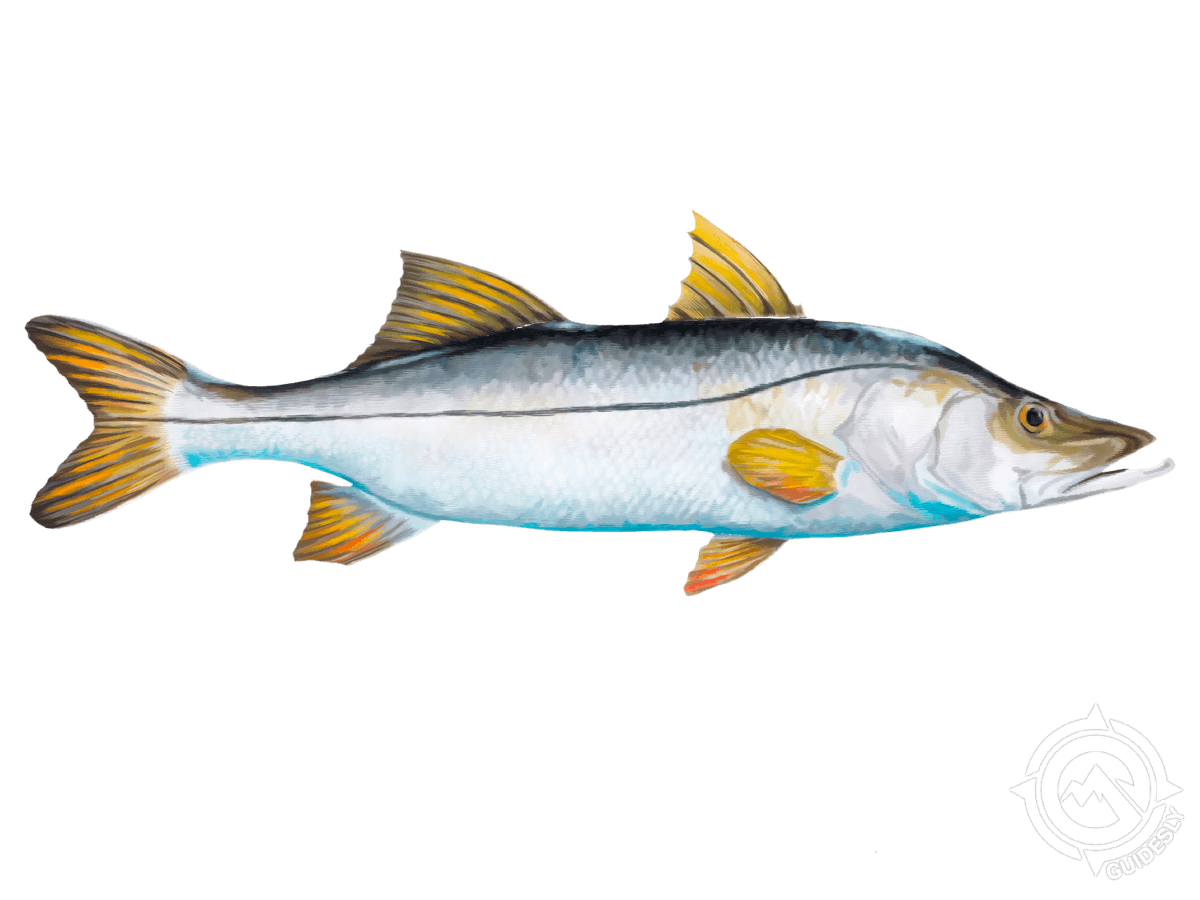
 Snook
Snook
Trip Pricing and Availabilities :
No trip pricing information available at this time.
Marco Island Private Inshore Fishing Charter
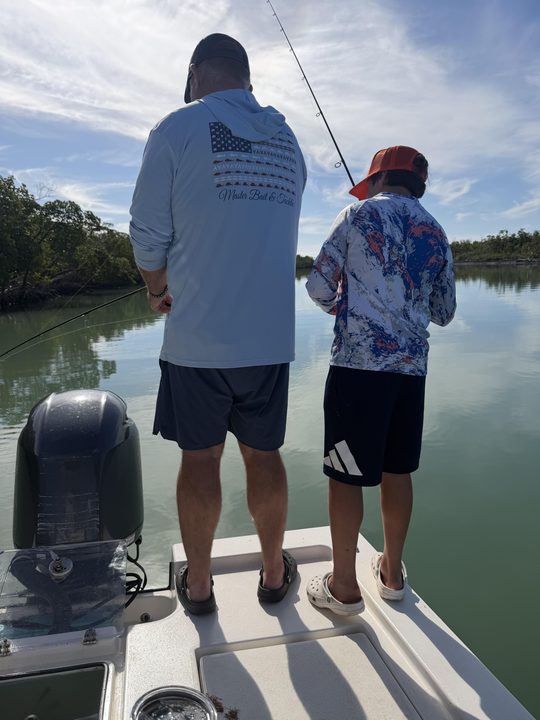
Picture this: you're drifting through Marco Island's backwaters at sunrise, casting into pockets where snook are stacked like cordwood and redfish cruise the shallows with their backs out of the water. This isn't your typical charter boat circus—it's a top-rated private inshore experience that puts you right in the middle of Southwest Florida's best shallow water action. Whether you choose our 2-hour quick hit, 4-hour half-day adventure, or go all-in with the 8-hour marathon, you'll fish the kind of spots that separate the tourists from the locals. We're talking mangrove shorelines, oyster bars, and creek mouths where the fish actually live, not just visit.
What to Expect on the Water
Marco Island's inshore fishing is all about reading the water and putting your bait where the fish want to be. We'll start each trip by checking the tides, wind, and what's been biting lately before heading out in our shallow-draft boat that can slip into places the big charter boats can't even dream of reaching. The backwaters here are like a maze of opportunity—one minute you're working a mangrove pocket for snook, the next you're sight-fishing redfish on a grass flat that's barely knee-deep. Morning trips take advantage of that cooler water and moving tide when the fish are most active, while afternoon charters let you experience the golden hour bite when everything comes alive. The beauty of inshore fishing is that it's never boring—you might catch five different species in an hour, or spend 20 minutes battling one beast that doesn't want to give up. Every cast is a new chance, and every fish has its own personality.
Light Tackle & Live Bait Action
We fish smart here, not hard. That means light spinning tackle that lets you feel every headshake and run, paired with the freshest live bait you can find—pilchards, pinfish, and shrimp that are still kicking when they hit the water. When the live bait's not cooperating, we'll switch to artificials that have proven themselves in these waters: soft plastics that mimic wounded baitfish, topwater plugs that drive snook crazy during low-light periods, and spoons that flash just right over the grass flats. The technique changes with the target—we might be flipping jigs under mangrove overhangs one minute, then making long casts to tailing redfish the next. The water here ranges from two to eight feet deep most of the time, so you can actually watch the fish react to your presentation. It's visual, it's technical, and when you hook up, there's nowhere for these fish to hide except under the nearest mangrove root or oyster bar.
Species You'll Want to Hook
Snook are the kings of Marco Island's backwaters, and for good reason. These ambush predators love to hang out under mangrove overhangs and around structure, waiting to blast anything that looks like an easy meal. They're notorious for their gill-rattling jumps and their ability to cut you off on the nearest oyster bar if you're not careful. Peak season runs from spring through fall, but these fish are catchable year-round if you know where to look. What makes snook special is their attitude—they hit hard, fight harder, and always seem to have one more trick up their sleeve.
Redfish are the bulldogs of the flats, and Marco Island has some of the most consistent red fishing in Southwest Florida. These copper-colored bruisers cruise the shallow grass flats and oyster bars, often with their backs out of the water as they root around for crabs and shrimp. They're most active during the warmer months, but winter can produce some monster fish that have been feeding heavy before the cooler weather. What guests love about reds is that they're often visible before you cast—there's nothing like watching a 28-inch red turn on your bait and knowing you're about to get into a drag-screaming fight.
Sea trout might not be the biggest fish in the bay, but they make up for it with numbers and willingness to bite. These spotted beauties love grass flats and sandy potholes, especially during moving tides. They're perfect for kids and first-time anglers because they're aggressive, relatively easy to hook, and actually pretty good eating. The best trout action happens during the cooler months when they school up, but you can catch them year-round if you're in the right spots with the right bait.
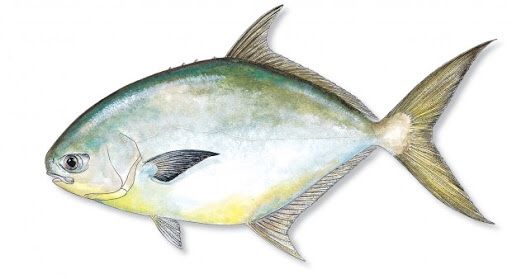
Florida Pompano are the hidden gems of inshore fishing—beautiful, hard-fighting, and absolutely delicious. These silver rockets love sandy bottoms and are especially active during the winter months when they're moving through the area. They're not always easy to find, but when you locate a school, the action can be fast and furious. Pompano have this unique fighting style where they turn sideways and use their flat bodies to pull against you, making even smaller fish feel much bigger than they are.
Goliath Grouper are the neighborhood giants that can show up when you least expect them. These massive fish hang around structure and can easily top 200 pounds, turning what started as a casual day into an epic battle. They're protected, so it's all catch and release, but hooking into one of these beasts is a customer favorite experience that you'll be talking about for years. They're most common during the summer months and can be found around bridges, wrecks, and deep mangrove areas where the water gets a bit deeper.
Time to Book Your Spot
Marco Island's inshore fishing is world-class year-round, but the best days fill up fast, especially during peak season when the weather's perfect and the fish are cooperating. This renowned private charter experience gives you the flexibility to fish your way—whether that's a quick morning strike mission, a relaxed half-day exploring different spots, or a full-day adventure that covers everything
Learn more about the species
Florida Pompano
These silver beauties with their yellow fins are some of the most sought-after fish around Marco Island. Pompano typically run 1-3 pounds but can surprise you with bigger specimens up to 8 pounds. They love cruising shallow flats, oyster beds, and sandy bottoms where they hunt for crabs and shrimp. Spring through fall gives you the best action when they're actively feeding in warmer water. What makes pompano special is their strong, quick runs that'll test your light tackle skills, plus they're absolutely delicious—that buttery white meat is restaurant-quality stuff. These fish travel in schools, so when you find one, there's usually more around. Pro tip: use small hooks with live shrimp or sand fleas, and keep your bait moving along the bottom to mimic their natural prey.
Goliath Grouper
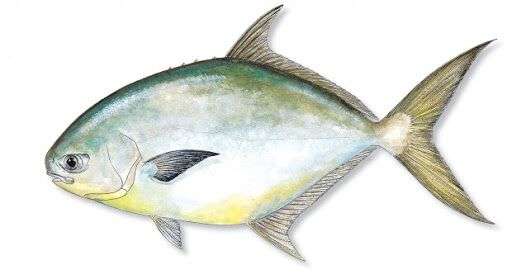
These giants are the dinosaurs of our local waters—massive, curious, and totally protected. Goliath grouper can reach 400+ pounds and 6+ feet, making them bucket-list fish for any angler. Around Marco, juveniles hang in shallow mangroves while adults patrol deeper structure like wrecks and ledges in 20-60 feet. They're year-round residents but more active in warmer months. What makes them special isn't just the size—it's that prehistoric presence and the way they'll come right up to the boat to investigate. All goliath grouper must be released immediately, so it's purely about the experience and bragging rights. When you hook one, that first pull will test every piece of your gear. My advice: use heavy tackle with circle hooks and big live bait like jacks or rays, but be ready for a short, powerful fight.
Redfish
Redfish are the poster fish for shallow water excitement—bronze bulldogs with attitude that'll drag you around the flats. These copper-colored fighters typically run 20-28 inches with that signature black eyespot near the tail. They love super shallow water, often with their backs out of the water, cruising oyster bars and mangrove shorelines. Year-round fishing is good, but spring and fall offer the best action when they're in the shallows feeding hard. What guests love is sight-fishing to tailing reds and that bulldogging fight—they're not fancy, just pure power. Plus they're excellent eating with firm, mild meat. The secret is staying quiet and making accurate casts to feeding fish. Live shrimp works great, but don't overlook gold spoons and topwater plugs for some explosive surface action.
Sea Trout
Spotted sea trout are the bread-and-butter fish that keep trips consistent and fun for everyone on board. These speckled beauties typically run 14-18 inches with some pushing 3-4 pounds in our grass flats. They love shallow bays, grass beds, and sandy potholes where they hunt shrimp and baitfish. Cool mornings and evenings are prime time, especially fall through spring when they school up in deeper holes. What makes trout great for families is they bite readily, fight well on light tackle, and taste fantastic on the dinner table. That soft, flaky white meat is perfect for fish tacos. The trick with trout is working grass flats with soft plastics or live shrimp under a popping cork. Make some noise to get their attention—they're curious fish that'll come investigate the commotion.
Snook
Snook are the ultimate inshore challenge fish—they're smart, moody, and fight like they're twice their size. These silvery fighters with that distinctive black lateral line typically run 18-30 inches around Marco's mangroves and creeks. They love structure: docks, oyster bars, mangrove roots, anywhere they can ambush baitfish. Dawn and dusk are prime time, especially during warmer months when they're most active. What guests love about snook is that first explosive strike and the way they jump and run when hooked. They're catch-and-release only, so it's all about the fight and the photos. The key to success is getting your bait right in their face—snook are lazy hunters that won't chase far. Try live shrimp or pinfish near structure, but be ready to pull them out fast before they cut you off.
About the Frontier 180. (Boat 1), 2019 Cobia Bay Boat (Boat 2), 2020 Cobia 21 Bay (Boat 3)
%2F%2Fusers%2F337ddd4c-5272-44c3-83ce-41b6f4d1c9cd%2Fvehicle_picture%2Ftempimageooqs8s-mfg2ogqv.png&w=1200&q=75)
Vehicle Guest Capacity: 4
Manufacturer Name: Yamama
Maximum Cruising Speed: 40
Number of Engines: 1
Horsepower per Engine: 115
%2F%2Fusers%2F337ddd4c-5272-44c3-83ce-41b6f4d1c9cd%2Fvehicle_picture%2Fimg_0317.jpg&w=1200&q=75)
Vehicle Guest Capacity: 6
Manufacturer Name: Yamaha
Maximum Cruising Speed: 40
Number of Engines: 1
Horsepower per Engine: 150
%2F%2Fusers%2F337ddd4c-5272-44c3-83ce-41b6f4d1c9cd%2Fvehicle_picture%2F655ee2a3-c8d9-4077-a630-1ae503507b34.jpg&w=1200&q=75)
Vehicle Guest Capacity: 6
Manufacturer Name: Mercury
Maximum Cruising Speed: 40
Number of Engines: 1
Horsepower per Engine: 150