/filters:format(jpeg,png)/fit-in/300x300/guide_websites/3826/images/img_0114.png)
/filters:format(jpeg,png)/fit-in/237x80/guide_websites/3826/images/img_0114.png)
Marco Island Fishing Company Guided Trip in Marco
Backwater Fishing Trip in Marco Island
5.0

4 Reviews
- 5
 100%
100% - 4
 0%
0% - 30%
- 20%
- 10%
%2F%2Fusers%2F337ddd4c-5272-44c3-83ce-41b6f4d1c9cd%2Fimages%2Fgoodland-park-fishing-techniques-partly-2809.png&w=1920&q=75)
The Oyster Toadfish is one of the more unique species you might encounter in Marco Island waters. Though not a primary target for most anglers, these resilient bottom-dwellers are fascinating creatures that occupy wrecks and reefs throughout Florida's coastal waters. - Typically reaches 12-16 inches in length - Weighs between 3-5 pounds when fully grown - Known for their distinctive "croaking" sound used during mating season
Fishing Charter by Captain Jamie Cox in December

Meet your Captain Jamie Cox
- Marco Island Fishing: Your Ocean Escape - Book Now



Summary
Summer fishing in Marco Island brought Rafael and crew out for an exciting Wednesday July inshore adventure with Marco Fishing Company. Launching from Goodland Boat Park under partly cloudy skies, we found prime water conditions for our target species. We employed live bait fishing techniques complemented by sight casting and the reliable popping cork method—perfect approaches for Marco Island's productive backwaters. While trophy catches proved elusive on this trip, the thrill of the hunt and the peaceful backwater environment made for a memorable day on the water. The mangrove-lined shores and open flats around Goodland always offer excellent opportunities for anglers of all skill levels looking for that drag-screaming action that makes Marco Island fishing famous.
Fishing Charter with Jamie Cox – Rates & Booking
Captain Jamie Cox of Marco Island By Boat offers Wednesday July fishing trips that showcase the best of Marco Island's backwaters. This inshore fishing trip accommodates up to 4 guests, making it perfect for small groups and families. All necessary fishing gear, licenses, and live bait are provided—you just need to bring your sense of adventure and perhaps some sun protection. Whether you're an experienced angler or new to fishing, Captain Jamie's local knowledge ensures an enjoyable day on the water targeting the various species that make Marco Island's backwaters their home.
Highlights of Marco Island Backwater Fishing: Drag Screaming Thrills Await!
This backwater fishing experience focuses on the quiet side of Marco Island where the fishing action can be spectacular. You'll cruise through calm mangrove waters, oyster beds, and hidden creeks that most tourists never see. Captain Jamie specializes in light-tackle action that keeps the excitement level high throughout your trip.
Morning trips feature crisp air and moving tides—perfect conditions for getting tight to fish before breakfast. Afternoon adventures offer golden light and rising water, when fish slide out of the shadows looking for an easy meal. The techniques used—live bait fishing, sight casting, and popping cork—have proven effective time and again in these productive waters.
Local Tips & Conditions
Marco Island's backwaters offer some of Florida's most consistent fishing opportunities. Protected from strong winds and big waves, these waters remain fishable even when offshore conditions aren't ideal. The extensive mangrove systems provide habitat for numerous species, while the varying depths and bottom structures create perfect ambush points for predatory fish.
Summer months in Marco Island bring warmer water temperatures, which can push fish into deeper holes or around structure that provides shade. Early mornings and evenings tend to be most productive this time of year. The tides play a crucial role in fishing success, with moving water generally triggering more active feeding. Captain Jamie monitors these conditions closely to put you in the right spot at the right time for maximum action.
Plan Your Fishing Charter Day
Your trip begins at Goodland Boat Park, where you'll meet Captain Jamie at the designated time. The boat comfortably accommodates up to 4 guests with plenty of fishing space. Wear weather-appropriate clothing, bring sun protection (hat, sunglasses, sunscreen), and don't forget your camera to document your catch. A small cooler for personal beverages is welcome, though water is provided. For those concerned about seasickness, the backwaters offer calm conditions compared to offshore trips, making this an excellent choice for anyone prone to motion sickness.
Fishing in Marco Island: Oyster Toadfish
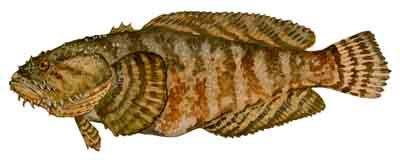
The Oyster Toadfish (Opsanus tau), belonging to the order Batrachoidiformes and family Batrachoididae, is one of the more unusual catches in Marco Island waters. While not considered a gamefish, this fascinating creature with its distinctive appearance and vocalizations makes for an interesting encounter during backwater fishing trips.
Oyster Toadfish Overview
The Oyster Toadfish is a sturdy, bottom-dwelling fish known for its broad, flat head, wide mouth, and scaleless body adorned with yellowish-olive coloration featuring brown blotches or sloping lines. Their flattened appearance and "whiskers" or fleshy flaps around their mouth give them a toad-like appearance that earned them their common name.
Oyster Toadfish Habitat and Distribution
These resilient fish make their homes around wrecks, reefs, rocky bottoms, and oyster beds—hence their name. In Marco Island waters, they're commonly found around structures in the backwater areas, particularly where oyster beds are present. They prefer shallow coastal waters and can tolerate a wide range of salinity levels, allowing them to thrive in estuarine environments.
Oyster Toadfish Size and Weight
Typically, Oyster Toadfish measure between 12 and 16 inches in length and weigh between 3 and 5 pounds when fully grown. While not massive, their stocky build gives them surprising heft for their length.
Oyster Toadfish Diet and Behavior
These opportunistic predators feed primarily on crustaceans, small fish, and mollusks, including their namesake oysters. They're ambush predators that lie motionless, often partially buried in sand or mud, waiting for prey to come within striking distance. One of their most distinctive behaviors is their ability to produce loud grunting or boat-whistle sounds, especially during breeding season.
Oyster Toadfish Spawning Season
In summer months around Marco Island, male Oyster Toadfish create nests in sheltered locations like empty shells or crevices and produce a distinctive humming sound to attract females. After the female deposits her eggs, the male guards them fiercely until they hatch, showing remarkable parental care uncommon among fish species.
Oyster Toadfish Fishing Techniques
While not typically targeted by anglers, Oyster Toadfish are occasionally caught as bycatch when bottom fishing. They readily take cut bait or shrimp presented on the bottom. In July around Marco Island, anglers fishing near oyster beds with bottom-bouncing techniques might encounter them. When handling these fish, caution is advised as they have strong jaws and sharp spines that can deliver a painful wound.
Oyster Toadfish Is It Good to Eat?
Despite their unappealing appearance, Oyster Toadfish do have edible white flesh. However, they're not commonly consumed due to the small amount of meat they yield and the difficulty in cleaning them. Most anglers release them when caught. Those who do prepare them report a mild, firm white flesh that's comparable to other bottom-dwelling species.
Oyster Toadfish Frequently Asked Questions
Q: What is the best bait for Oyster Toadfish?
A: Oyster Toadfish aren't typically targeted, but they readily take cut bait, shrimp, or squid presented on or near the bottom. They're opportunistic feeders that will strike at most natural baits.
Q: Where can I find Oyster Toadfish near Marco Island?
A: Look for them around structure in backwater areas, particularly near oyster beds, dock pilings, rocky bottoms, or artificial reefs. They prefer areas with good hiding spots and available prey.
Q: Is Oyster Toadfish good to eat?
A: While technically edible with white, firm flesh, they're not commonly eaten due to their small size, difficulty in cleaning, and relatively small yield of meat. Most anglers release them when caught.
Q: When is the best time to catch Oyster Toadfish?
A: Oyster Toadfish can be caught year-round in Marco Island waters, but they're more active during warmer months. During summer in particular, males become more territorial as they prepare nests and guard eggs.
Q: Are Oyster Toadfish dangerous to handle?
A: They should be handled with care as they have powerful jaws that can deliver a painful bite and spines that can cause puncture wounds. Using gloves and proper fish-handling techniques is recommended.
Q: Do Oyster Toadfish make noise?
A: Yes, they're known for their distinctive vocalizations that sound like grunts or boat whistles. Males are particularly vocal during breeding season, using these sounds to attract females to their nesting sites.