/filters:format(jpeg,png)/fit-in/300x300/guide_websites/3826/images/img_0114.png)
/filters:format(jpeg,png)/fit-in/237x80/guide_websites/3826/images/img_0114.png)
/users/337ddd4c-5272-44c3-83ce-41b6f4d1c9cd/ratecard/image000001.jpg)
%2F300x300%2Fusers%2F337ddd4c-5272-44c3-83ce-41b6f4d1c9cd%2Fratecard%2Fimage000001.jpg&w=256&q=75)
%2F300x300%2Fusers%2F6f3a22d9-7872-4122-b890-abaabaf4346f%2Fimages%2Fmarco-island-fishing-waters-2934.png&w=256&q=75)
%2F300x300%2Fusers%2F6f3a22d9-7872-4122-b890-abaabaf4346f%2Fimages%2Fflorida-mangrove-fishing-boat-calm-12303.png&w=256&q=75)
%2F300x300%2Fusers%2F6f3a22d9-7872-4122-b890-abaabaf4346f%2Fimages%2Ffishing-boat-steering-wheel-controls-11727.png&w=256&q=75)
%2F300x300%2Fusers%2F6f3a22d9-7872-4122-b890-abaabaf4346f%2Fimages%2Ffishing-boat-motor-florida-deck-8731.png&w=256&q=75)
%2F300x300%2Fusers%2F6f3a22d9-7872-4122-b890-abaabaf4346f%2Fimages%2Fgreat-pompano-marco-island-catch-5284.png&w=256&q=75)
%2F300x300%2Fusers%2F6f3a22d9-7872-4122-b890-abaabaf4346f%2Fimages%2Ffishing-boat-marco-island-waters-3715.png&w=256&q=75)
%2F300x300%2Fusers%2F6f3a22d9-7872-4122-b890-abaabaf4346f%2Fimages%2Ffishing-boat-marco-island-waters-3391.png&w=256&q=75)
%2F300x300%2Fusers%2F6f3a22d9-7872-4122-b890-abaabaf4346f%2Fimages%2Ffishing-boat-dashboard-marco-island-12678.png&w=256&q=75)
%2F300x300%2Fusers%2F6f3a22d9-7872-4122-b890-abaabaf4346f%2Fimages%2Fwhite-fishing-boat-florida-waters-3391.png&w=256&q=75)
%2F300x300%2Fusers%2F6f3a22d9-7872-4122-b890-abaabaf4346f%2Fimages%2Fyellowfin-tuna-cooler-marco-island-3664.png&w=256&q=75)
Marco Island's Ultimate Shark Fishing Challenge
 Marco Island
What you will be catching:
 Atlantic Sharpnose Shark
 Blacktip Shark
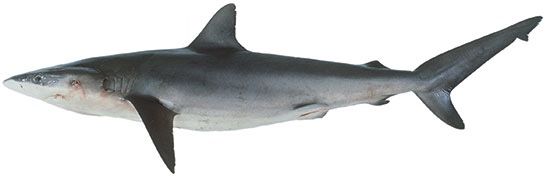 Bull Shark
 Sandbar Shark
 Spinner Shark
- This Marco Island shark fishing charter takes you into nearshore waters where blacktip, bonnethead, and bull sharks are waiting to test your strength. We're talking about serious fish that hit hard and fight harder
- no gentle nibbles here. Your guide will set up heavy tackle, chunk bait, and get you ready for that moment when your drag starts screaming. When a shark takes your bait, it's pure adrenaline as you battle one of the ocean's top predators. Perfect for anglers who want to step up from regular fishing and try something with real teeth. This inshore trip accommodates up to 4 guests and delivers the kind of arm-burning action that'll have you talking about it for years. It's you versus apex predator in Southwest Florida waters.
Trip Pricing and Availabilities:
Marco Island Shark Fishing Charter
Ready to tangle with something that bites back? This Marco Island shark fishing charter isn't for the faint of heart—or the weak of arms. We head into nearshore waters where blacktip, bonnethead, and the occasional bull shark roam like they own the place (spoiler: they kinda do). This type of Marco Island fishing is all about power and adrenaline, giving anglers a chance to battle some of the toughest fish in Southwest Florida fishing. We'll be chunkin' bait, setting heavy drags, and waitin' for that glorious moment when the line starts screamin' like it saw a ghost. When it happens, hang on. Sharks don't nibble. They hit like a freight train and fight like they're mad about it. This is adrenaline-soaked, arm-burning, grin-inducing action from start to finish. Perfect for thrill-seekers, bucket-listers, and anyone who thinks "normal" fish just aren't mean enough. Whether you're searching for fishing charters in Marco Island or looking to experience the wild side of Marco Island fishing, this trip delivers nonstop excitement. It's man vs. toothy beast. And on this boat? We like our odds.
What to Expect on the Water
This isn't your typical cast-and-wait fishing trip. We're talking serious business here with up to four anglers per boat, which means everyone gets plenty of room to work and a real shot at hooking into something memorable. The nearshore waters around Marco Island are prime shark territory, and we know exactly where to find them. You'll be fishing in waters that range from 15 to 40 feet deep, close enough to shore that you can still see the coastline but far enough out where the big boys like to patrol. The atmosphere is electric from the moment we leave the dock. There's something about knowing you're deliberately targeting apex predators that gets the blood pumping. We keep the group small because when sharks are on the line, things can get wild fast. You'll want that extra space when your buddy is doubled over fighting a bull shark that doesn't want to cooperate.
Chunkin' Bait and Heavy Tackle
Shark fishing is a whole different game from chasing snook or redfish. We're using heavy conventional reels spooled with serious line—think 50 to 80-pound test because these fish will test every knot and connection you've got. The technique is all about chunking fresh bait and creating a scent trail that draws sharks from miles away. We'll cut up fresh mackerel, bonito, and whatever else we can get our hands on, then send those bloody chunks downrange on circle hooks. The key is patience mixed with preparation. While we're waiting for the action to heat up, we're constantly adjusting our spread, moving bait around, and reading the water for signs of life. You'll learn to watch for nervous baitfish, diving birds, and those telltale fins cutting through the surface. When we hook up, the drag system becomes your best friend. These reels are set up to give line when needed but still provide enough pressure to tire out something that could easily snap lighter gear.
Target Species
Blacktip sharks are the bread and butter of this fishery and absolute dynamite on the end of a line. These sleek predators average 3 to 5 feet long around Marco Island, but don't let their size fool you. Blacktips are notorious for their aerial acrobatics, launching themselves completely out of the water in spectacular jumps that'll have you scrambling for your phone. They're most active during the warmer months from spring through fall, and they love to hunt in the shallower nearshore waters where we target them. What makes blacktips so exciting is their unpredictability—one minute they're bulldogging deep, the next they're airborne like a tarpon on steroids.
Spinner sharks live up to their name with spinning aerial displays that have to be seen to be believed. These fish can reach 6 feet in length and are built for speed and agility. They're most common in our waters during summer and early fall, often traveling in small groups that can make for multiple hookups. Spinners have a distinctive pointed snout and are incredibly athletic fighters. When they hit your bait, they often continue their momentum right out of the water in a corkscrew pattern that's absolutely mind-blowing. They're also one of the most photogenic sharks you'll encounter, with clean lines and a classic shark profile that looks great in photos.
Sandbar sharks are the heavyweights of our regular catches, with mature fish reaching 6 to 8 feet and packing serious muscle. These are the bulldogs of the shark world—they don't jump, they don't spin, they just pull like a freight train heading downhill. Sandbars are available year-round in our waters, but they're most active during the cooler months when other species might be scarce. What anglers love about sandbar sharks is the pure test of strength and endurance. It's a straight-up tug of war that can last 20 minutes or more, and when you finally get them boatside, you're looking at a truly impressive predator.
Bull sharks are the holy grail of this fishery and the reason we use the heaviest tackle available. These apex predators can reach 8 feet or more and have the strongest bite force of any shark species. Bulls are ambush hunters that prefer murky water and aren't afraid to come into very shallow areas to hunt. They're present year-round but most active during warmer months. What makes bull sharks so special is their reputation and raw power. These are legitimate man-eaters with an attitude to match their size. When you hook a bull shark, you know it immediately—the initial run is explosive and the fight is relentless. They're not flashy fighters like blacktips, but they're absolutely unstoppable forces that will test every piece of equipment and every muscle in your body.
Atlantic
Learn more about the animals
Atlantic Sharpnose Shark
Don't let their size fool you - sharpnose sharks pack more fight than their 3-4 foot frame suggests. These bronze-colored sharks with white spots cruise our surf zones, bays, and shallow waters year-round, making them one of our most reliable catches. They're aggressive feeders, hitting just about any bait you throw at them - dead or alive. What guests enjoy is the constant action and surprising strength for such a small package. They're perfect for lighter tackle and make great targets for kids or first-time shark anglers. The meat's actually pretty tasty too. Here's the insider tip: bring a good landing net and heavy gloves. Their skin is rough as sandpaper and those teeth are razor sharp, but with proper handling, they're completely manageable and always entertaining.
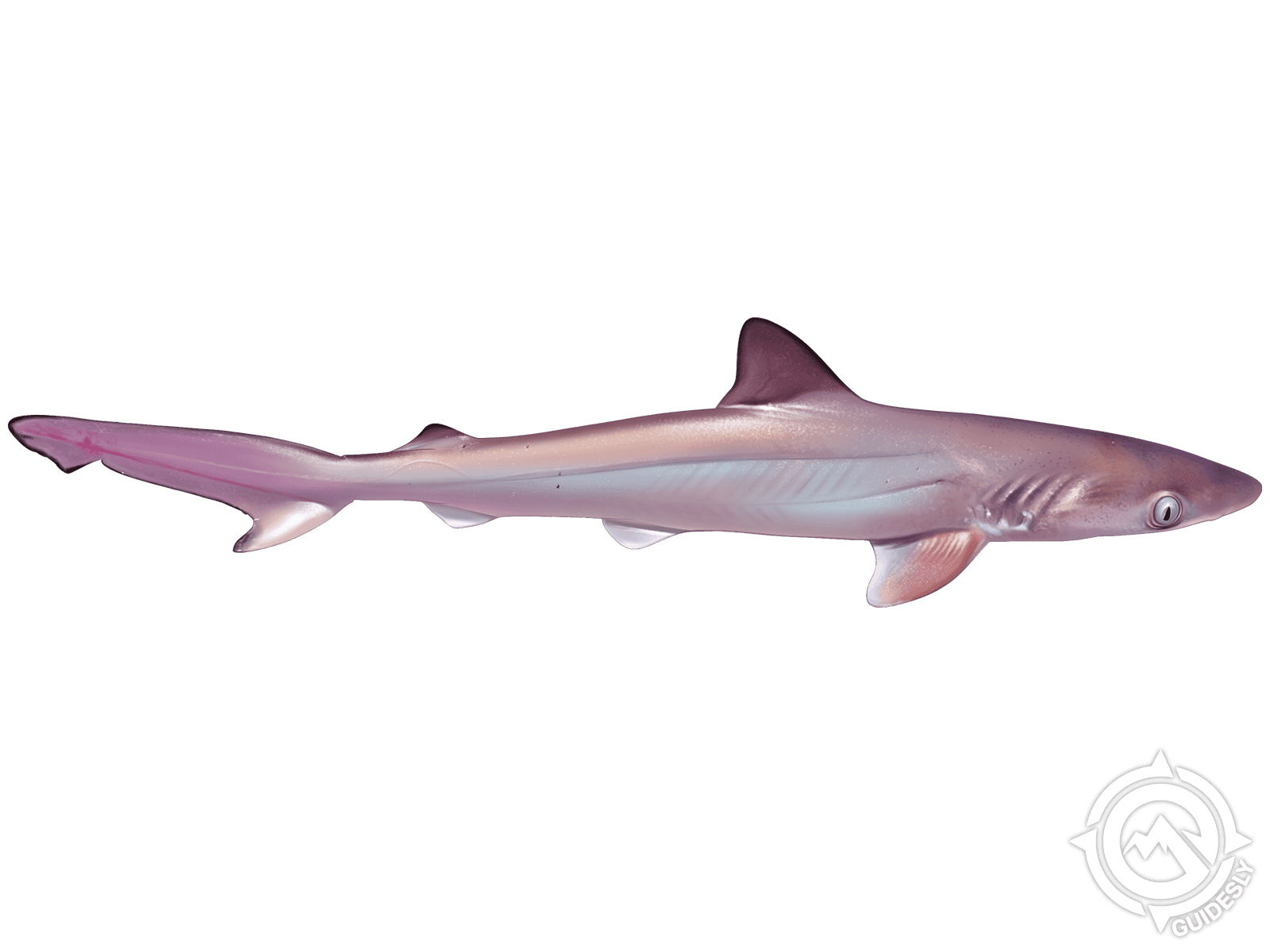
Blacktip Shark
Blacktips are the show-offs of the shark world, averaging 5 feet but capable of hitting 9. Those black-tipped fins give them away, and they love putting on aerial displays when hooked. You'll find them patrolling artificial reefs and sandy areas in 30-100 feet of water, chasing schools of sardines, herring, and mackerel. They're most active spring through fall when baitfish are abundant. What makes them special? They're excitable and social, often showing up in numbers once you get one fired up. The fight's aggressive with lots of jumping and strong runs. They can be timid initially but turn into bulldogs once committed. Best tip: use live sardines or oily cut mackerel, set multiple lines, and get that chum going. Once you hook one, be ready for company.
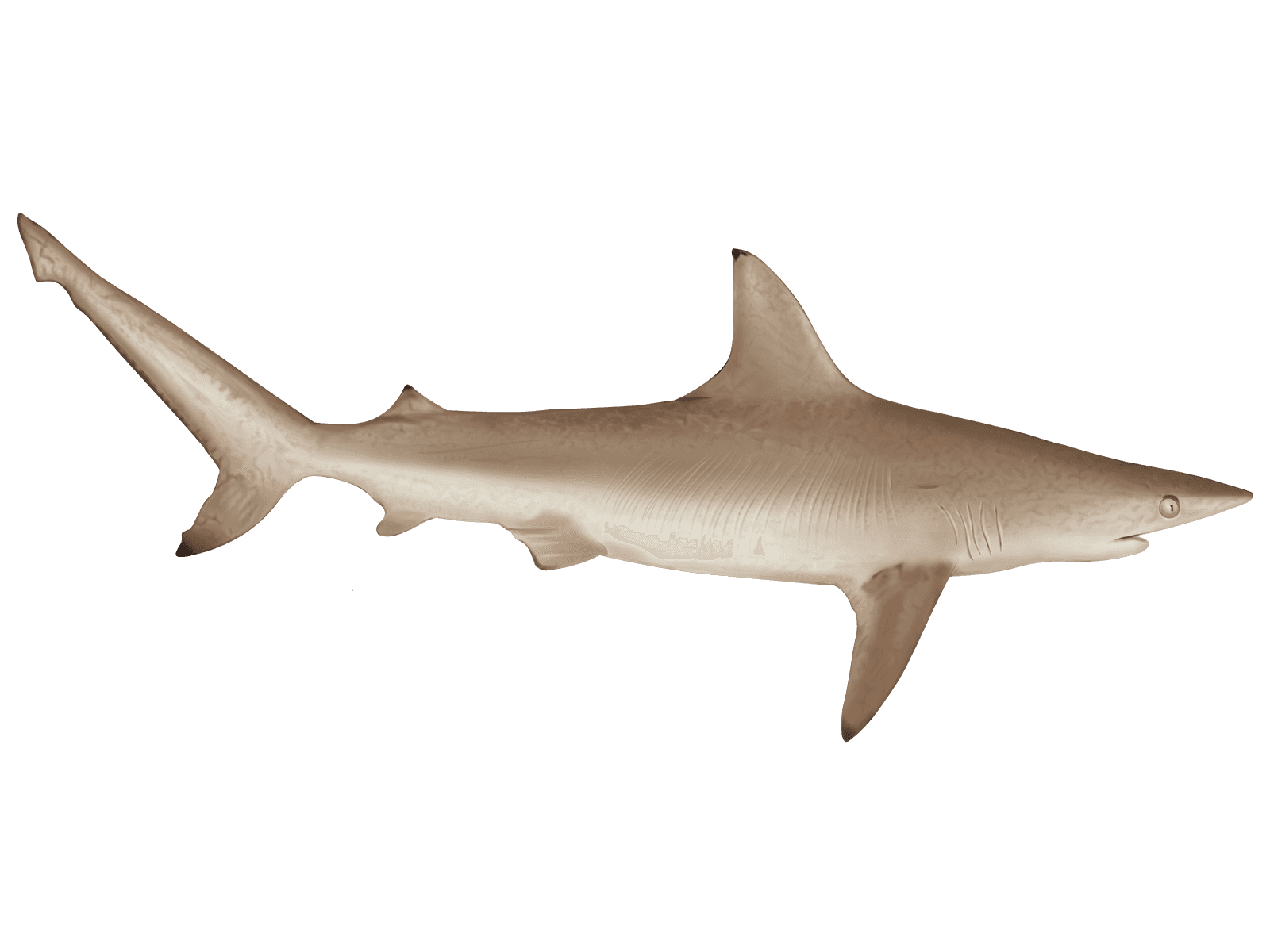
Bull Shark
Bulls are the heavyweight champions around here - thick, muscular sharks that average 8-10 feet and pack serious attitude. They cruise shallow coastal waters, river mouths, and anywhere the food chain gets messy. Unlike most sharks, they can handle both salt and freshwater, making them unpredictable visitors year-round. What draws anglers? Pure power. When a bull shark takes your bait, it's game on - they fight dirty with bone-jarring runs and stubborn bottom-hugging battles. Summer months are prime time when they're actively feeding in our warmer waters. The secret weapon for bulls is fresh eel - the high oil content and tough skin make it irresistible and it stays on the hook through their violent strikes. Use heavy tackle and strong drag, because these bruisers don't give up easy.
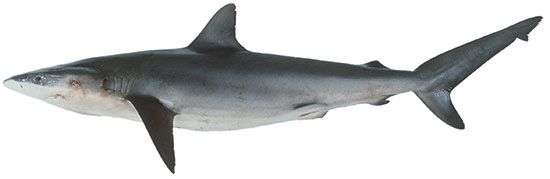
Sandbar Shark
Sandbars are the workhorses of our shark lineup - females push 8 feet and males around 6, with that distinctive tall dorsal fin you can spot from a distance. These heavyset sharks cruise sandy flats and deeper waters from 60-200 feet, feeding on rays, crabs, and bottom fish. They're around year-round but really active during warmer months. What guests love is the raw power - when a sandbar takes your bait, it's going for a long, bulldozing run that'll test your drag and your arms. They're not dangerous but demand respect. Pro tip: rig heavy with at least 65-pound test and use fresh, oily bait like bluegill or skate. Once hooked, let them run initially, then work them toward sandy bottom where you can beach them safely.
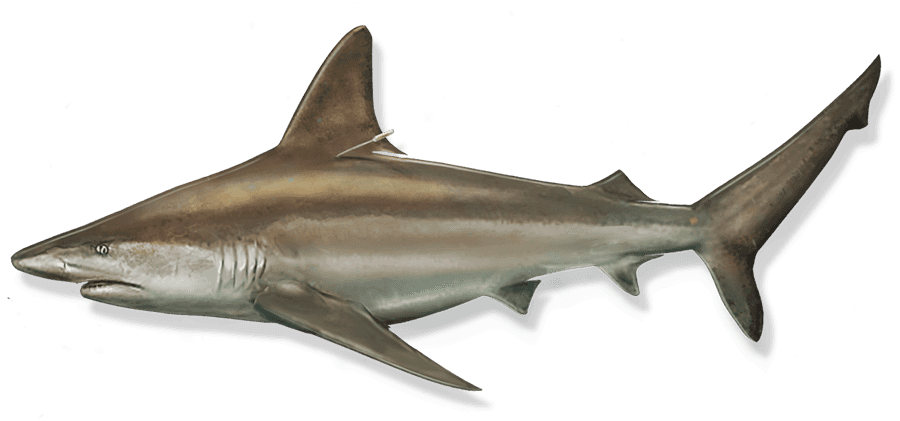
Spinner Shark
These acrobatic sharks average 6-7 feet and can hit 46 mph when they rocket out of the water spinning like a torpedo. They're built for speed with that long snout and sleek body, hunting schools of sardines and bonito in our nearshore waters under 100 feet. You'll spot them most during late winter and early spring when baitfish are thick. What makes spinners special? That crazy aerial show when hooked - they'll leap and spin up to three times before splashing down. The fight's solid but not overwhelming, perfect for lighter tackle. Here's the trick: since they hunt by smell and have poor eyesight, use fresh bonito or mullet with plenty of blood and oil. Cut it chunky and let that scent trail work its magic.
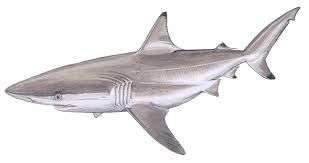
About the Frontier 180. (Boat 1), 2019 Cobia Bay Boat (Boat 2), 2020 Cobia 21 Bay (Boat 3)
%2F%2Fusers%2F337ddd4c-5272-44c3-83ce-41b6f4d1c9cd%2Fvehicle_picture%2Ftempimageooqs8s-mfg2ogqv.png&w=1920&q=75)
Vehicle Guest Capacity: 4
Manufacturer Name: Yamama
Maximum Cruising Speed: 40
Number of Engines: 1
Horsepower per Engine: 115
%2F%2Fusers%2F337ddd4c-5272-44c3-83ce-41b6f4d1c9cd%2Fvehicle_picture%2Fimg_0317.jpg&w=1920&q=75)
Vehicle Guest Capacity: 6
Manufacturer Name: Yamaha
Maximum Cruising Speed: 40
Number of Engines: 1
Horsepower per Engine: 150
%2F%2Fusers%2F337ddd4c-5272-44c3-83ce-41b6f4d1c9cd%2Fvehicle_picture%2F655ee2a3-c8d9-4077-a630-1ae503507b34.jpg&w=1920&q=75)
Vehicle Guest Capacity: 6
Manufacturer Name: Mercury
Maximum Cruising Speed: 40
Number of Engines: 1
Horsepower per Engine: 150