/filters:format(jpeg,png)/fit-in/300x300/guide_websites/3826/images/img_0114.png)
/filters:format(jpeg,png)/fit-in/237x80/guide_websites/3826/images/img_0114.png)
/users/337ddd4c-5272-44c3-83ce-41b6f4d1c9cd/ratecard/img_5279-mlbrgynk.png)
%2F300x300%2Fusers%2F337ddd4c-5272-44c3-83ce-41b6f4d1c9cd%2Fratecard%2Fimg_5279-mlbrgynk.png&w=256&q=75)
%2F300x300%2Fusers%2F6f3a22d9-7872-4122-b890-abaabaf4346f%2Fimages%2Fmarco-island-fishing-waters-2934.png&w=256&q=75)
%2F300x300%2Fusers%2F6f3a22d9-7872-4122-b890-abaabaf4346f%2Fimages%2Fflorida-mangrove-fishing-boat-calm-12303.png&w=256&q=75)
%2F300x300%2Fusers%2F6f3a22d9-7872-4122-b890-abaabaf4346f%2Fimages%2Ffishing-boat-steering-wheel-controls-11727.png&w=256&q=75)
%2F300x300%2Fusers%2F6f3a22d9-7872-4122-b890-abaabaf4346f%2Fimages%2Ffishing-boat-motor-florida-deck-8731.png&w=256&q=75)
%2F300x300%2Fusers%2F6f3a22d9-7872-4122-b890-abaabaf4346f%2Fimages%2Fgreat-pompano-marco-island-catch-5284.png&w=256&q=75)
%2F300x300%2Fusers%2F6f3a22d9-7872-4122-b890-abaabaf4346f%2Fimages%2Ffishing-boat-marco-island-waters-3715.png&w=256&q=75)
%2F300x300%2Fusers%2F6f3a22d9-7872-4122-b890-abaabaf4346f%2Fimages%2Ffishing-boat-marco-island-waters-3391.png&w=256&q=75)
%2F300x300%2Fusers%2F6f3a22d9-7872-4122-b890-abaabaf4346f%2Fimages%2Ffishing-boat-dashboard-marco-island-12678.png&w=256&q=75)
%2F300x300%2Fusers%2F6f3a22d9-7872-4122-b890-abaabaf4346f%2Fimages%2Fwhite-fishing-boat-florida-waters-3391.png&w=256&q=75)
%2F300x300%2Fusers%2F6f3a22d9-7872-4122-b890-abaabaf4346f%2Fimages%2Fyellowfin-tuna-cooler-marco-island-3664.png&w=256&q=75)
Deep Sea Red Snapper Charter Marco Island
 Marco Island
What you will be catching:
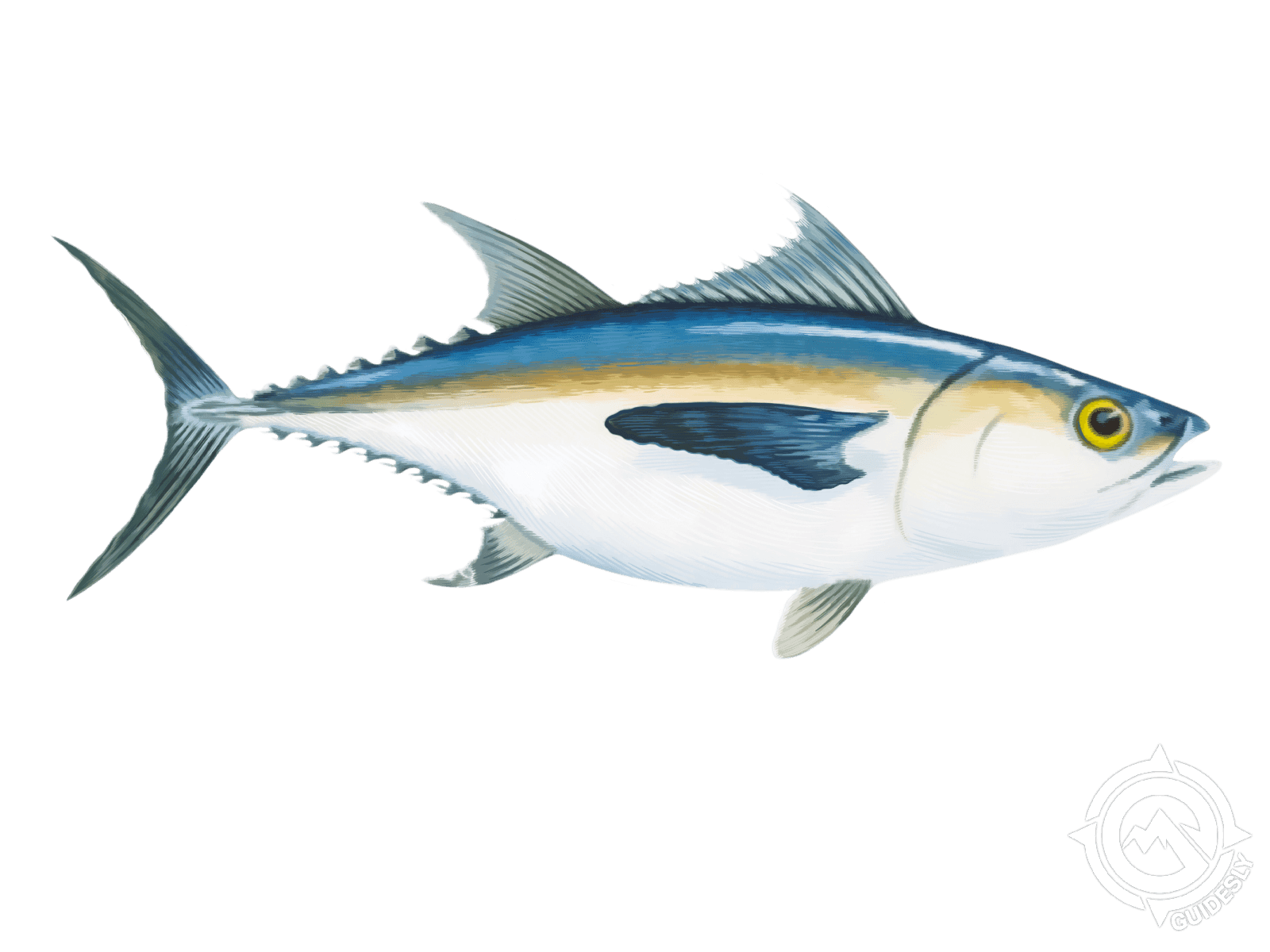
 Blackfin Tuna
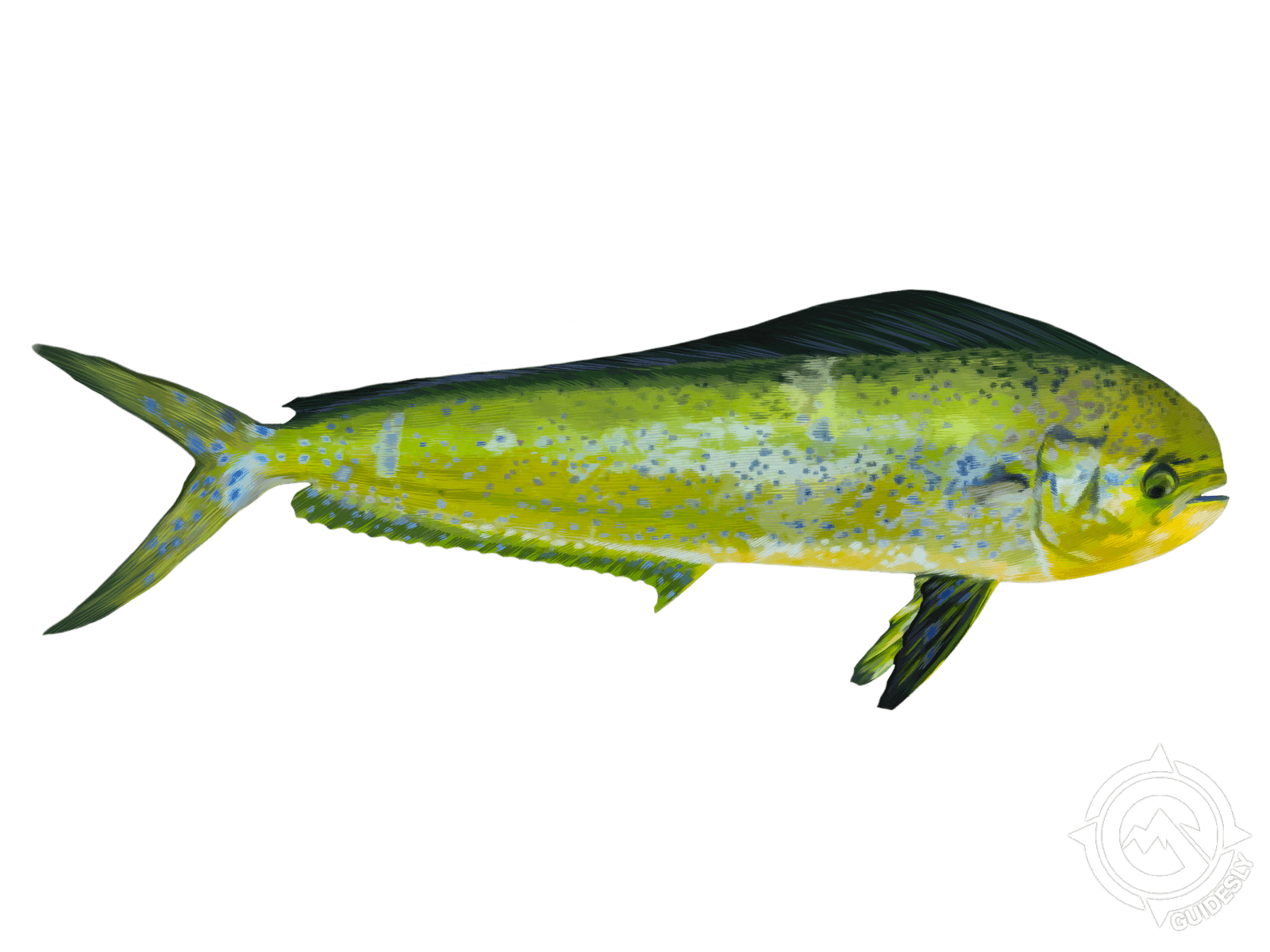
 Mahi Mahi or Common Dolphinfish
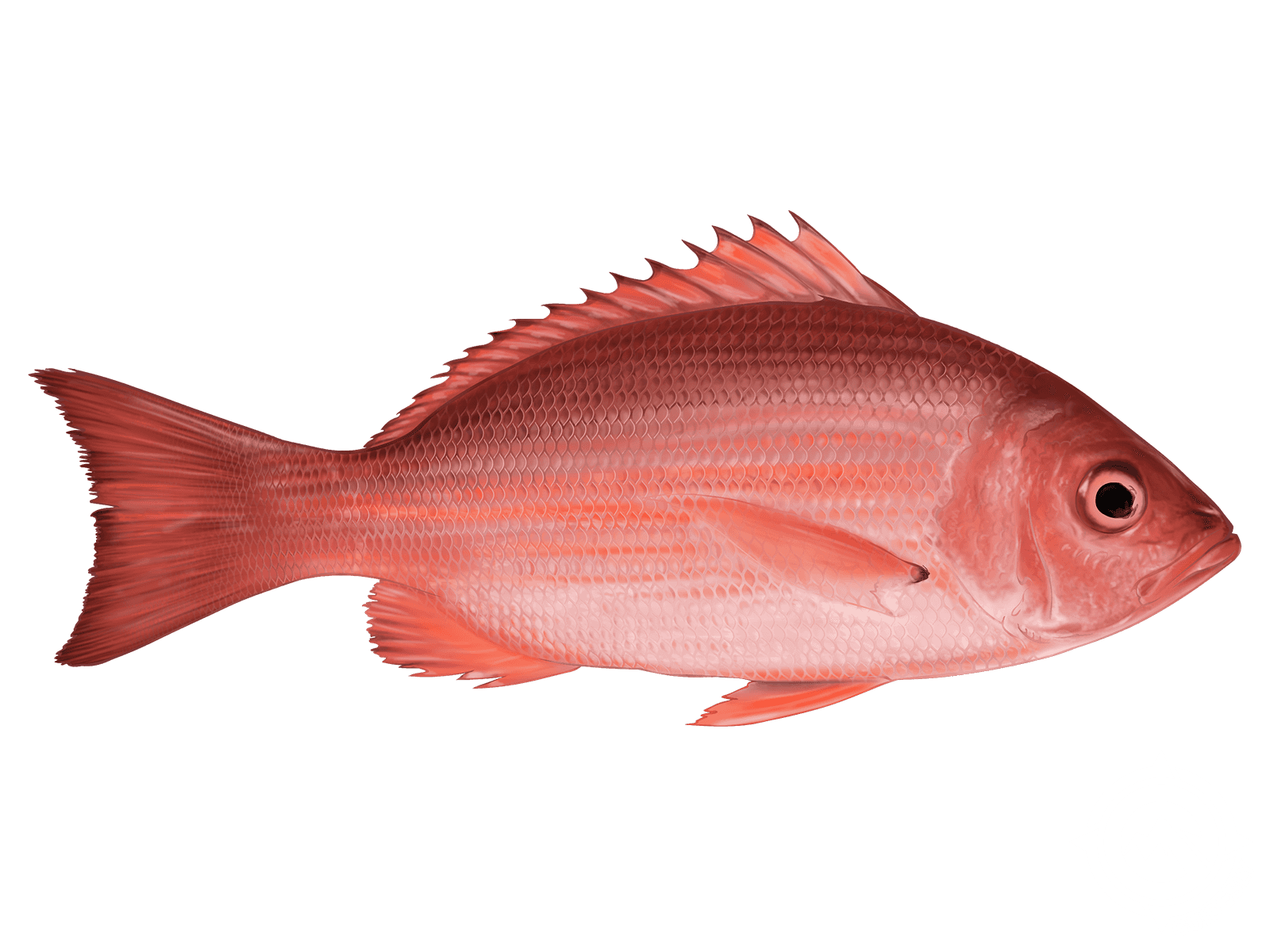
 Red Snapper
- This is serious offshore fishing
- we're talking 75 to 100 miles out into the Gulf to hit prime Red Snapper territory in 150+ feet of water. It's an 8-hour commitment that'll test your arms and fill your cooler. Once we reach the deep structure, we drop heavy baits and target these hard-fighting snappers that make every hookup a battle. Being this far out, you never know what else might show up
- Mahi, Blackfin Tuna, or other Gulf surprises often crash the party. This isn't a sightseeing trip; it's a fishing mission for anglers who want the real deal. Your group of up to 6 will experience what serious Gulf fishing is all about.
Trip Pricing and Availabilities:
Deep Water Red Snapper Adventure
Listen, if you're serious about offshore fishing in Marco Island, this 8-hour Red Snapper charter isn't for weekend warriors looking for a gentle cruise. We're talking about a legitimate deep-water mission that takes you 75–100 miles out into the Gulf of Mexico, where the water turns that deep blue color and the fish fight like they mean it. This trip with Marco Fishing Company is designed for anglers who want to fill their coolers and test their arms against some of Southwest Florida's most sought-after species. You'll be fishing in 150+ feet of water, working structure where Red Snapper call home, and there's always a chance for bonus catches like Mahi and Blackfin Tuna when you're this far offshore. Just know this upfront – you need to call 239-212-0008 to book because trips this far out require proper planning and coordination.
What to Expect on the Water
This charter starts early because we've got serious ground to cover before we can wet our lines. The run out to prime Red Snapper territory takes time, but that boat ride is part of the adventure – watching the coastline disappear and feeling that transition from shallow, green inshore water to the deep blue Gulf. Once we reach our spots, it's all business. We'll be anchored over structure in depths that most recreational anglers never see, dropping baits down where the big Red Snapper live. The boat accommodates up to 6 anglers, which gives everyone plenty of room to work without getting tangled up. No meals are included on this trip, so pack a cooler with plenty of food and drinks – trust me, 8 hours of serious offshore fishing will work up an appetite. The captain knows these offshore grounds like the back of his hand, and he'll put you on fish if they're biting. But remember, this is deep-water fishing where conditions can change, and the fish don't always cooperate on schedule.
Deep Water Tactics & Gear
When you're fishing 150+ feet down, everything changes compared to inshore techniques. We're talking about heavy tackle, strong drags, and serious bottom rigs designed to handle big fish in deep water. The crew will set you up with the right gear – typically medium to heavy conventional reels spooled with braided line for better feel and less stretch at depth. Baits vary depending on what's working, but expect to see cut fish, squid, and live bait when available. The key to success this far offshore is reading the bottom structure and understanding how Red Snapper relate to ledges, rocks, and artificial reefs. These fish are structure-oriented, so we'll be working specific spots rather than just random deep water. The crew knows how to rig for the conditions and will help you with technique, but be ready for some arm-burning fights when you hook into a nice snapper in 150 feet of water. The pressure changes and current can make these battles more challenging than anything you'll experience closer to shore.
Top Catches This Season
Red Snapper are the main target here, and for good reason – these fish are pure gold for Gulf coast anglers. A quality Red Snapper typically runs 15-25 pounds, though bigger ones definitely swim these waters. They're structure huggers that live around ledges, rocks, and artificial reefs in depths from 100-300 feet. The best time to target them is during their open season, which varies year to year based on regulations, but when they're legal, these fish provide some of the best eating and hardest fighting you'll find offshore. What makes Red Snapper special is their combination of size, fight, and table fare – they'll test your tackle on the way up from deep water, and they're absolutely fantastic on the dinner table. Blackfin Tuna add serious excitement to any offshore trip, and they're common in these Gulf waters year-round. These speedsters typically range from 10-30 pounds and fight way above their weight class with blistering runs and non-stop action. They're schooling fish that often show up when you least expect them, turning a steady day of bottom fishing into pure chaos. Blackfins are also excellent eating, especially as sashimi or blackened steaks. Mahi Mahi, also called Common Dolphinfish, bring the color and acrobatics to offshore fishing. These beautiful fish with their brilliant greens and yellows are most common during warmer months but can show up anytime in the Gulf. They typically run 10-40 pounds and are known for their spectacular jumps and bulldogging runs. Mahi often travel in schools and feed aggressively, so when you find them, the action can be fast and furious. They're also top-tier table fare with sweet, flaky white meat that's perfect for grilling or frying.
Time to Book Your Spot
This deep-water Red Snapper adventure represents serious offshore fishing at its finest, and Marco Fishing Company has earned their reputation by consistently putting anglers on quality fish in the Gulf's deep waters. The combination of distance, depth, and target species makes this trip a standout choice for experienced anglers who want to test themselves against Southwest Florida's best offshore fishing. Remember, you can't book this online – the planning and preparation required for trips this far offshore means you need to call 239-212-0008 directly to secure your spot and discuss details. The crew will coordinate timing, weather, and logistics to give you the best possible shot at success. Don't wait too long to book, especially during prime Red Snapper season when these deep-water charters fill up fast with serious anglers who know what they're after.
Learn more about the species
Blackfin Tuna
Blackfin Tuna are the smallest of the true tunas, typically running 15-25 pounds but can reach up to 40 pounds. These beautiful fish show off brilliant gold stripes along their sides that fade once they're out of the water. You'll find them in the same deep Gulf waters as our Red Snapper - usually 75+ miles offshore in warm, blue water above 68°F. They're most active during fall, winter, and spring months around here. What makes them special is that incredible fight they put up - pound for pound, they're some of the strongest fish you'll hook. Plus, they make excellent sashimi and steaks. Here's a local trick: when we find Blackfin, I scale down to lighter leaders and smaller circle hooks because these fish have sharp eyesight. We'll chum with pilchards to bring them close, then vertical jig or chunk bait to get their attention.
Mahi Mahi or Common Dolphinfish
Mahi are the most colorful fish in the Gulf, showing off brilliant greens, blues, and gold that change like a light show when they're brought to the boat. They average 15-25 pounds but can push 40+ pounds out in the deep water. These surface feeders love floating debris, weed lines, and anything that creates current breaks in the open ocean. While they're around year-round in our warm Gulf waters, spring through fall gives us the best action. What makes Mahi special is their acrobatic fight - they'll jump, run, and put on a real show. The meat is top-notch too, with firm white fillets perfect for the grill. Here's what works: when we find floating debris or birds working, I'll troll ballyhoo or small lures right along the edges. Once we hook the first one, we keep it in the water because Mahi travel in schools and the hooked fish will keep the others around the boat.
Red Snapper
Red Snapper are the crown jewel of Gulf fishing - these deep-water warriors live on rocky bottom and structure 150+ feet down, which is why we run so far offshore. Most fish we catch run 5-15 pounds, but 20+ pounders show up regularly. They turn that classic bright red color as adults, making them easy to spot in the fish box. Peak season runs May through October when they're most active and feeding heavy. What guests love about Snapper fishing is the serious fight they put up - they'll make hard runs for cover and test your tackle. Plus, you can't beat the eating quality of fresh Red Snapper fillets. My go-to tip: use fresh squid or live pinfish on a heavy bottom rig, and when you hook one, don't give them any slack or they'll wrap you up in the structure below. Keep steady pressure and work them up quick.