/filters:format(jpeg,png)/fit-in/300x300/guide_websites/3826/images/img_0114.png)
/filters:format(jpeg,png)/fit-in/237x80/guide_websites/3826/images/img_0114.png)
Great Pompano Caught on Marco Island Kids Charter
Great Pompano Fishing in Marco Island - What to Expect
4.5

16 Reviews
- 5
 88%
88% - 4
 0%
0% - 30%
- 20%
- 113%
%2F%2Fusers%2F6f3a22d9-7872-4122-b890-abaabaf4346f%2Fimages%2Fgreat-pompano-marco-island-catch-5284.png&w=1920&q=75)
Fishing Charter by Captain Jamie Cox in April
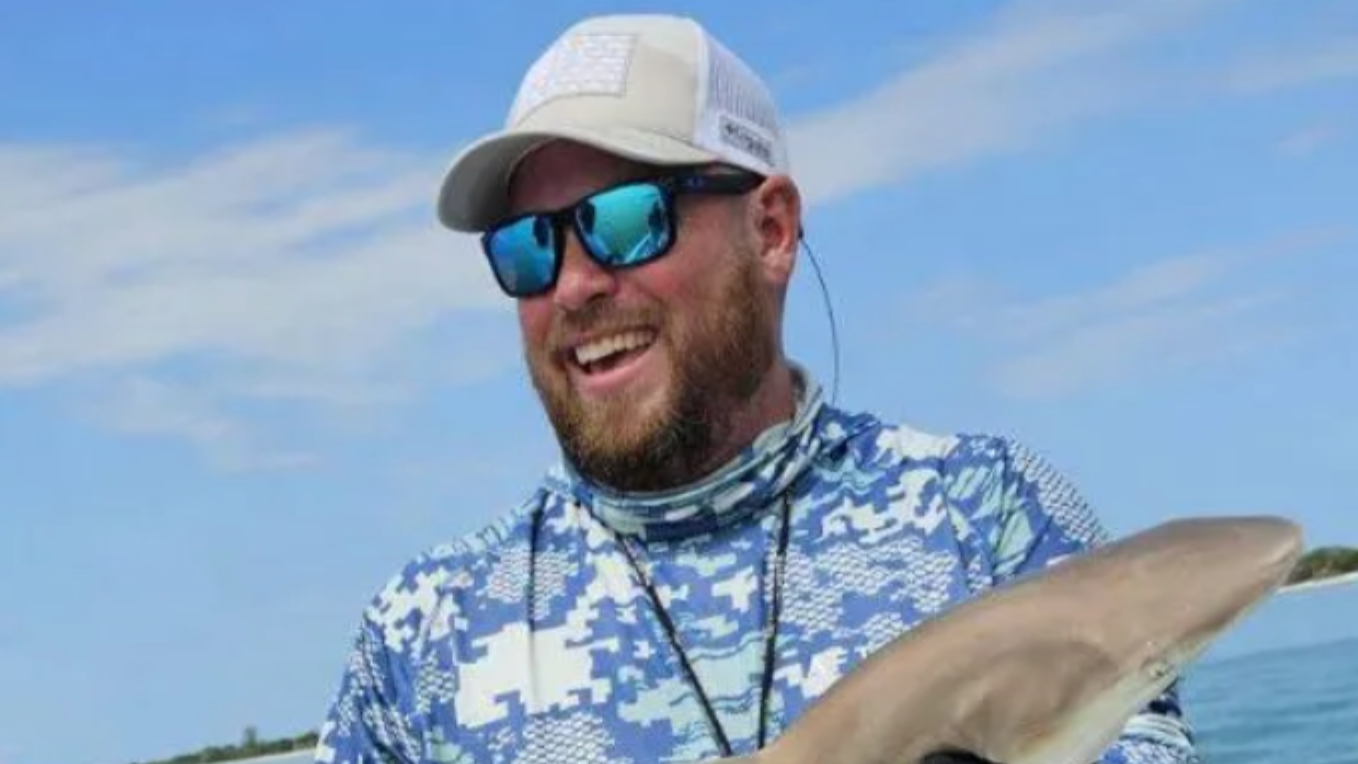
Meet your Captain Jamie Cox
- Marco Island Fishing: Your Ocean Escape - Book Now



Summary
This November kids fishing charter with Captain Jamie Cox delivered exactly what we hoped for - steady action in Marco Island's backcountry waters. The 3-hour trip proved perfect for young attention spans, with Great Pompano among the memorable catches that made this family adventure worthwhile.
Kids Fishing Charter with Jamie Cox - Rates & Booking
Captain Jamie Cox of Marco Fishing Company delivered this kids charter experience on Wednesday in November, exactly as advertised. The 3-hour format worked perfectly for our group of 4, keeping young anglers engaged without overwhelming them. Everything needed was included - kid-sized gear, safety equipment, and patient instruction that made the difference between frustration and fun.
The backcountry approach proved ideal for families. Instead of long runs to deep water, we stayed in productive mangrove areas where action stayed consistent. Booking was straightforward, and the later morning start meant no pre-dawn wake-up calls - a detail parents definitely appreciated.
Highlights of 3 Hour Kids Fishing Charter in Marco Island
The laid-back pace let kids actually enjoy the experience rather than just endure it. Wildlife spotting between bites kept everyone engaged - dolphins, birds, and the fascinating mangrove ecosystem provided natural entertainment when fishing slowed.
Simple techniques meant quick success. No complicated rigging or advanced casting - just basic bottom fishing that put fish in the boat and smiles on faces. The steady action lived up to expectations, with multiple species keeping things interesting throughout the trip.
Local Species Insights: Great Pompano
Great Pompano made this trip memorable, proving why they're prized catches in Southwest Florida waters. These silver beauties inhabit the sandy flats and grass beds around Marco Island, feeding on small crabs, shrimp, and worms that flourish in these productive backcountry areas.
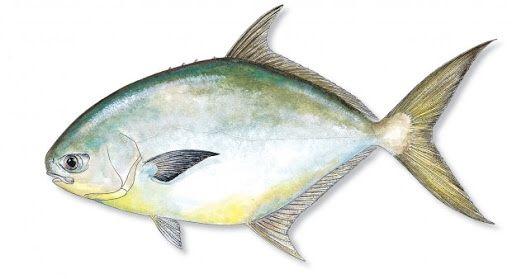
What makes Pompano special for kids is their fighting spirit relative to size. They pull hard enough to create excitement but aren't so powerful they overpower young hands. Their distinctive deep, compressed body and forked tail make them easy to identify - a perfect teaching moment about local species.
The backcountry environment where we found them represents classic Southwest Florida habitat. Shallow grass flats bordered by mangrove shorelines create the perfect nursery areas where juvenile fish grow and feed. These waters stay calm and protected, ideal for family fishing while supporting diverse marine life that calls this ecosystem home.
Plan Your Kids Fishing Day
The 3-hour duration hit the sweet spot - long enough for real fishing but short enough before attention spans wandered. Starting later in the morning eliminated rushing and allowed for proper preparation without stress.
Group size matters with kids, and our 4-person limit ensured individual attention when needed. The captain's patience with tangled lines and lost bait made all the difference in keeping spirits high. Safety equipment included properly fitted life jackets, and the stable boat platform kept everyone secure while still allowing freedom to move around and help each other.
Fishing in Marco Island: Great Pompano
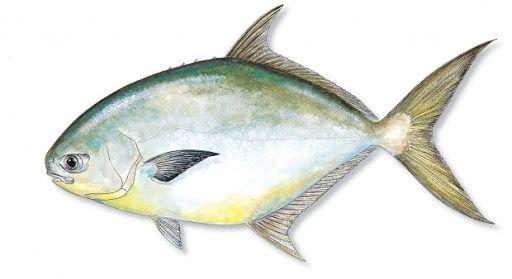
Meet the Great Pompano (Trachinotus goodei), one of the most sought-after members of the jack family (Carangidae) in the order Perciformes. This silvery beauty stands out with its deep, compressed body adorned with brilliant blue-white scales and a distinctive orange tinge on its belly. What makes this fish truly special are the four narrow silver bars running down its sides and that characteristic forked tail that screams speed and agility. Also known as Palometa in many tropical regions, this hard-fighting game fish has earned a reputation among anglers as both a challenging catch and a delicious meal.
Great Pompano Overview
The Great Pompano is essentially the crown jewel of inshore fishing, combining spectacular fighting ability with exceptional table fare. These fish are speed demons of the shallow waters, traveling in schools through warm coastal areas where they've become a favorite target for recreational anglers. What sets them apart from their cousins is that taller, sharper dorsal fin and those telltale silver bars - features that help experienced fishermen distinguish them from Florida Pompanos or the often-confused Pomfret. They're known for their intelligence and wariness, making every hookup a well-earned victory.
Great Pompano Habitat and Distribution
These fish have a clear preference for warm, sandy environments where they can cruise along coastal lines, coral reefs, and especially those productive sandy shores. You'll find them patrolling surf zones, shallow reef edges, and hanging around deep structure where the current brings food. The magic ingredient in their habitat equation is mole crabs and sand eels - where you find these crustaceans, you'll likely find Great Pompano nearby. They're particularly drawn to areas with good water movement and sandy bottoms where they can easily forage for their preferred prey.
Great Pompano Size and Weight
Most Great Pompano you'll encounter measure between 11 and 20 inches, with the average fish weighing around 1 to 2 pounds. However, these fish can surprise you - specimens have been recorded reaching up to 20 inches in length. While they're not the largest fish in the sea, their compact, muscular build packs incredible power, and that deep body profile gives them leverage to put up fights that'll test your tackle and technique. The smaller size actually works in their favor, making them perfect for light tackle fishing while still providing plenty of excitement on the line.
Great Pompano Diet and Behavior
These fish are primarily bottom feeders with a refined palate for mole crabs and sand eels, though they'll readily snap up polychaete worms, insect pupae, small crustaceans, and various small fish. They're also known to browse on zoobenthos and small clams. What makes them tricky to catch is their intelligence - they're incredibly selective about bait size, preferring offerings no larger than your fingernail. Their schooling behavior means when you find one, there are likely others nearby, but their wariness also means they can disappear as quickly as they appeared when spooked.
Great Pompano Seasonal Activity
These warm-water lovers become most active during the warmer months when water temperatures rise and their preferred prey becomes abundant. Winter months often see them congregating around deeper structure like oil rigs and artificial reefs where they can find shelter and consistent food sources. Their spawning activities typically coincide with warmer water periods, and this is when you'll often see larger schools moving through coastal areas, providing excellent opportunities for anglers who know where to look.
Great Pompano Techniques for Observation or Capture
The key to success with Great Pompano lies in two proven techniques: jigging and popping corks with live or fresh bait. Since they're bottom feeders, you'll need heavy enough tackle to get down to their level without losing connection. Your best bets for bait are sand fleas (mole crabs) or small shrimp, but remember - keep it fingernail-sized or they'll ignore it completely. Lure color matters too: in clear water, stick with brown, yellow, or white; in murky conditions, go with pink or chartreuse orange. Around coastal areas, focus on sandy beaches during incoming tides, and don't overlook those oil rigs and artificial reefs, especially during winter months when the fish concentrate in deeper water.
Great Pompano Culinary Notes
Great Pompano are considered excellent table fare, prized for their mild, sweet flavor and firm texture. When properly cleaned and prepared, the meat has a distinctive soft, almost cottony texture when cooked that many seafood enthusiasts absolutely love. However, there's one important consideration - like many reef-associated fish, Great Pompano can occasionally carry ciguatera toxin, so it's important to source them from reputable areas and prepare them properly. The smaller fish are generally considered safer, and the meat-to-bone ratio makes them worthwhile for the dinner table.
Great Pompano Frequently Asked Questions
Q: What is the best bait for catching Great Pompano?
A: Sand fleas (mole crabs) are absolutely the top choice, followed closely by small fresh shrimp. Keep your bait small - no bigger than your fingernail - or these intelligent fish will ignore it completely.
Q: Where can I find Great Pompano in coastal waters?
A: Focus on sandy beaches with good surf action, shallow reef edges, and areas around artificial reefs or oil rigs. Look for spots where mole crabs are abundant, as that's where these fish will be feeding.
Q: Is Great Pompano good to eat?
A: Absolutely! They're considered excellent table fare with mild, sweet meat and a unique soft texture when cooked. Just be sure to source them from clean waters and prepare them fresh for the best experience.
Q: When is the best time to catch Great Pompano?
A: Warmer months generally provide the best action when water temperatures rise, but winter fishing around deeper structure like oil rigs can be very productive as the fish concentrate in these areas.
Q: How can I tell a Great Pompano from other similar fish?
A: Look for the orange tinge on the belly, four narrow silver bars on the sides, and that distinctively tall, sharp dorsal fin. These features distinguish them from Florida Pompanos and Pomfrets.
Q: What tackle should I use for Great Pompano fishing?
A: Medium-light to medium tackle works well, but don't go too light - these are hard-fighting members of the jack family. Use enough weight to reach the bottom effectively, and be prepared for a strong fight once you hook up.