
Ladyfish Caught in Goodland, FL - Fishing Charter
Ladyfish Fishing in Goodland - What to Expect

Fishing Charter by Captain Jamie Cox in April

- Marco Island Charters – Live Bait & Gear Included


Summary
Reel in the action on a Fishing Charter with Captain Jamie Cox of Marco Fishing Company on Sunday in May. This Goodland fishing trip targets ladyfish, one of the most explosive fighters in Florida waters. Expect fast runs, aerial displays, and non-stop excitement as these acrobatic fish test your skills and gear.
Fishing Charter with Captain Jamie Cox - Rates & Booking
Captain Jamie Cox of Marco Fishing Company delivered an incredible ladyfish catch on Sunday in May from Goodland. This high-octane fishing charter puts you in prime position to tangle with some of the hardest-fighting fish in Florida waters. Whether you're a seasoned angler or stepping onto a boat for the first time, Captain Cox brings decades of local expertise to every outing.
Booking your ladyfish fishing adventure with Marco Fishing Company is straightforward. Captain Cox customizes each charter to match your skill level and goals, ensuring you get the most thrilling experience possible. For rates, group options, and availability, contact Marco Fishing Company directly to reserve your spot on the water.
Highlights of Your Goodland Fishing Charter
Ladyfish are nature's acrobats, and catching them from Goodland waters delivers pure adrenaline. These fish explode off the line with blistering speed, leap clear of the water, and run hard all the way to the boat. Captain Cox knows exactly where and when to find them, positioning you for maximum action and success.
The Goodland area offers incredible shallow-water fishing with crystal-clear conditions and abundant structure. You'll navigate coastal flats and mangrove channels where ladyfish hunt actively. The combination of explosive strikes, long runs, and jaw-dropping jumps makes every single hookup memorable.
Local Species Insights: Ladyfish
Ladyfish are among the most athletic and aggressive gamefish in Florida. These sleek, silver fish typically weigh 3-8 pounds, though larger specimens routinely test anglers to their limits. What they lack in size, they make up for in heart, energy, and sheer determination to escape.
Ladyfish thrive in the shallow coastal waters around Goodland and Marco Island, hunting small baitfish in flats, channels, and mangrove areas. They respond explosively to live bait and artificial lures, striking with violent energy that sends shockwaves through your rod. Once hooked, they immediately accelerate into powerful runs, with frequent airborne acrobatics that keep the fight dynamic and unpredictable.
These fish are known for their incredible speed and agility. They can reach speeds of 30+ mph in short bursts, making them incredibly exciting to pursue on light tackle. Ladyfish are ambush predators that hunt in schools, meaning where you find one, others are usually nearby. This creates non-stop action and multiple chances to connect during a single outing.
Fishing for ladyfish requires focus and quick reflexes. Their strikes are hard and sudden, so staying alert is essential. The fight itself is where ladyfish truly shine - they utilize every ounce of their athletic ability to escape, combining raw power with tactical runs and jumps. Successfully landing a ladyfish requires patience, technique, and respect for their strength and intelligence.
Fishing in Marco Island: Ladyfish
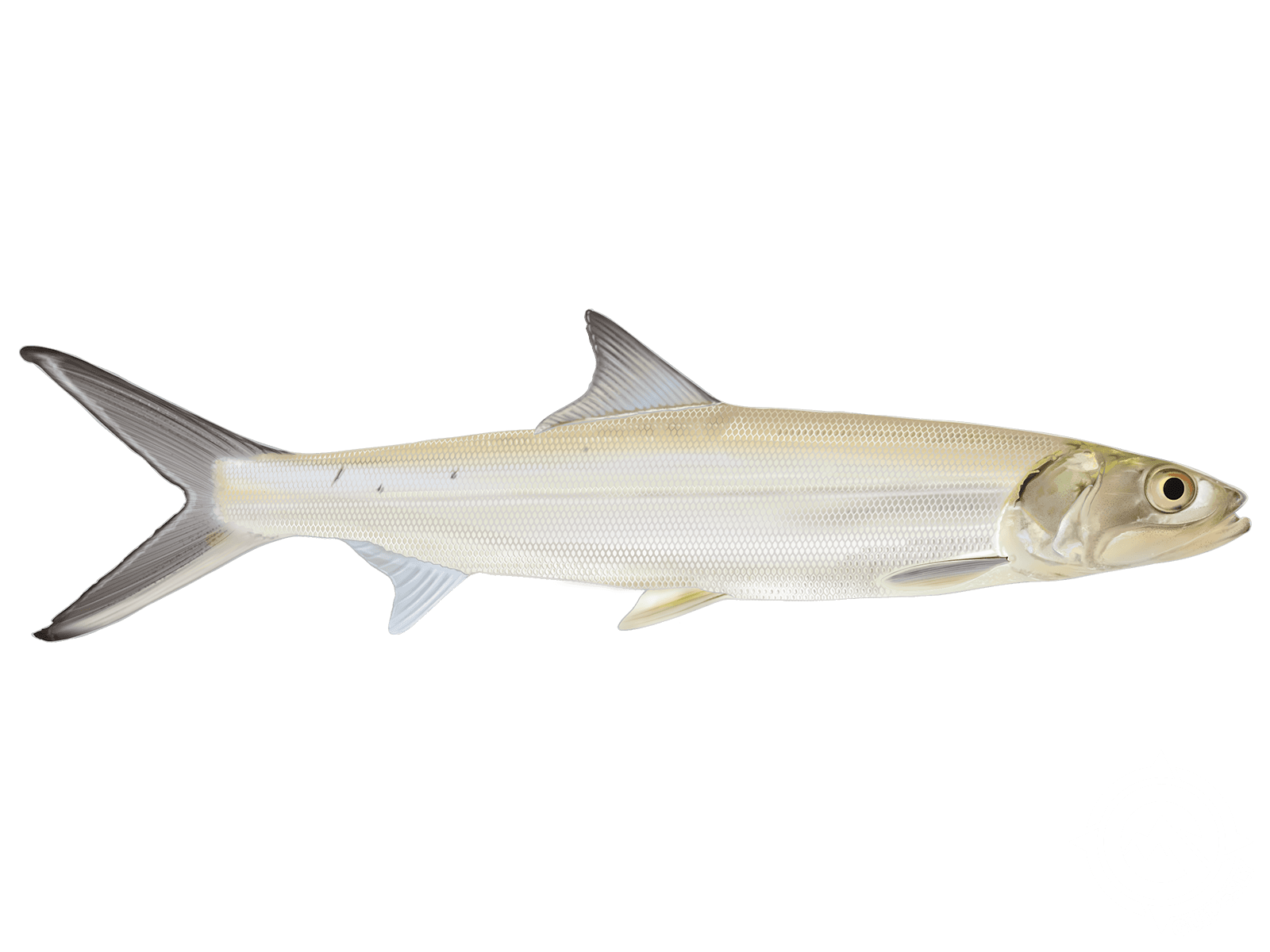
Ladyfish (Elops saurus) Overview
The Ladyfish, scientifically known as Elops saurus, is a captivating member of the Elopidae family within the order Elopiformes. Often affectionately called the "poor man's tarpon," this sleek, silvery predator is renowned among light-tackle anglers for its acrobatic jumps and aggressive strikes. With its distinctive forked tail, streamlined body, and bluish-green upper coloring, the Ladyfish cuts an impressive figure in coastal waters from New England to Florida and throughout the Gulf of Mexico. What makes this species particularly special is its incredible salinity tolerance and year-round availability, making it an accessible target for both seasoned anglers and curious newcomers exploring Florida's rich fishing heritage.
Ladyfish Habitat and Distribution
The Ladyfish thrives in tropical and subtropical coastal environments, showing remarkable adaptability across a wide range of salinity levels. You'll find them cruising through brackish estuaries, hypersaline lagoons, mangrove-lined bays, and reef-abundant areas, often venturing up coastal streams in search of prey. These pelagic fish inhabit the western North Atlantic Ocean from New England southward, with particularly strong populations throughout the Gulf of Mexico, Bermuda, and along the southeastern United States coastline. Juvenile Ladyfish prefer low-salinity estuaries where they develop before migrating to deeper offshore marine habitats; adults can be found at depths exceeding 160 feet several miles offshore. Interestingly, this species also shares habitat with its cousin, the malacho (Elops smithi), in southern Gulf waters, and populations have been documented as far as Vietnam, Taiwan, China, and Brazil.
Ladyfish Size and Weight
The Ladyfish typically ranges from 12 to 39 inches in length, with average specimens weighing between 1 to 3 pounds. However, historical records indicate these impressive fighters can reach up to 35 inches and weigh as much as 30 pounds under ideal conditions, making larger individuals genuinely exciting catches for dedicated anglers. Most fish you'll encounter on typical coastal outings fall toward the smaller end of this spectrum, but don't let that fool you—even modest-sized Ladyfish deliver explosive action that far exceeds their weight class.
Ladyfish Diet and Behavior
The Ladyfish exhibits a strictly carnivorous lifestyle adapted to its life stage. Larvae absorb nutrients directly from the water column, while young fish transition to zooplankton, small insects, and crustaceans as they develop. Juvenile Ladyfish feast enthusiastically on small crustaceans before maturing into apex predators of small bony fishes—particularly menhaden and silversides—along with any available crustaceans. These aggressive hunters are known for their explosive feeding behavior and lightning-quick reflexes. When hooked, Ladyfish are notorious for their acrobatic displays, jumping and skipping frantically across the water's surface while attempting to dislodge the line. Anglers often describe the experience as thrilling yet occasionally frustrating, as these feisty fish thrash with determined vigor and possess small but sharp teeth capable of severing careless knots.
Ladyfish Spawning and Seasonal Activity
The Ladyfish spawns in open ocean waters, though specific seasonal timing details remain relatively understudied. What makes this species remarkable for anglers is its availability year-round—you can pursue Ladyfish at any time of day, under any tidal condition, and during every season without significant seasonal closures. This consistent availability is one reason they've become such popular targets for recreational anglers seeking reliable action. While they demonstrate exceptional thermophilic characteristics (preferring warm water), the species has proven hardy enough to maintain populations even in cooler climates, though some mortality events have been documented during particularly cold snaps in Florida.
Ladyfish Techniques for Observation and Capture
Light-Tackle Fly Fishing: The Ladyfish is an excellent target for fly anglers pursuing inshore action without a boat. Wade along shallow bays, flats, and beaches using 6 to 8-weight rods and casting hair jigs or small flies toward schools of feeding fish. These responsive hunters strike readily at artificial offerings, and landing one on fly tackle delivers an unforgettable light-tackle experience. Around popular Florida coastal areas, dawn and dusk provide prime feeding windows, though daylight hours remain productive.
Spinning Rod Techniques: Anglers using conventional spinning rods and reels can deploy live shrimp, bubble rigs, squid, and jerk baits from piers, canal banks, and beach access points. Cast into deeper pockets within bays where Ladyfish school, and prepare for aggressive strikes. A heavy mono leader or fluorocarbon line is essential—these sharp-toothed fighters will test your knots continuously. Retrieve with jerky, erratic movements to trigger strikes.
Bait Fishing from Shore: Work piers and canal structures using live shrimp, crabs, or cut bait presentations. The Ladyfish readily accepts natural offerings, and this approach suits anglers preferring stationary setups. Around the bays near major coastal cities, these accessible locations provide excellent opportunities regardless of experience level or equipment investment.
Ladyfish Culinary and Utilization Notes
The Ladyfish carries a somewhat unfair reputation as a "trash fish," though this perception stems more from recreational fishing tradition than culinary merit. While this species ranks as average for food quality and remains marketed primarily as fresh fish rather than a premium culinary target, it is technically edible and has sustained both subsistence fishing communities and sport anglers seeking dinner. Most recreational anglers practice catch-and-release due to the species' superior fighting qualities and secondary food value compared to other available options. From a sustainability perspective, the International Union for the Conservation of Nature (IUCN) classifies Ladyfish populations as "Least Concern" due to their abundance and broad distribution, making them an environmentally responsible target for recreational engagement.
Ladyfish Frequently Asked Questions
Q: What is the best bait for catching Ladyfish?
A: Live shrimp, hair jigs, bubble rigs, crabs, squid, and small jerk baits all produce excellent results. The Ladyfish responds aggressively to these offerings, particularly when retrieved with jerky, erratic movements that trigger feeding instincts. Cut mullet and Ladyfish themselves are popular when targeting snook and other predators in the same waters.
Q: Where can I find Ladyfish in Florida?
A: The Ladyfish thrives throughout Florida's coastal bays, estuaries, and shoreline structures from the Gulf of Mexico to the Atlantic coast. Look for them in mangrove areas, around piers, along beaches, and in shallow bays where small baitfish congregate. They're present year-round, making Florida an excellent destination for consistent Ladyfish action.
Q: When is the best time to catch Ladyfish?
A: The Ladyfish remains active any time of day, under any tidal condition, throughout the entire calendar year. For optimal success, focus on dawn and dusk periods when feeding activity peaks, though productive daytime action occurs regularly in coastal bays and shallow water environments.
Q: Why do Ladyfish jump so much when hooked?
A: This acrobatic behavior is a natural defense mechanism—the Ladyfish thrashes and skips along the surface attempting to dislodge hooks from its mouth. These impressive aerial displays make them exciting sport fish, though anglers must maintain tension and use sturdy leaders to prevent line breakage during these dramatic fights.
Q: Do I need a boat to catch Ladyfish?
A: No—the Ladyfish can be caught successfully from shore using fly rods, spinning rods, and conventional tackle. Piers, canal banks, beaches, and wading flats provide excellent access for land-based anglers seeking reliable action without boat ownership or rental expenses.
Q: Are Ladyfish good to eat?
A: While technically edible, the Ladyfish ranks as average food quality and is seldom kept for consumption compared to other available species. Most anglers practice catch-and-release to preserve their populations and focus on the superior sport and fighting qualities these remarkable fish deliver. Sustainable recreational engagement with healthy, abundant populations remains the preferred modern approach.